





High pressure water jetting
Contents |
[edit] Introduction
High-pressure water jetting does not refer to the average car power washer; it relates to waterjets that produce about 30 times that pressure. The equipment can range from 2,000 psi to 55,000 psi offering many advantages when it comes to performance, flexibility and cost.
High-pressure water jetting, also known as hydro-blasting and sometimes water-cutting, is the use of a water jet that forces highly compressed and pressurised water out of a small hole or nozzle, which causes restriction and produces a high-pressure water stream. This water stream is so powerful it will cut through grease, ice and even concrete, hence it is an effective and precise tool used in many industries.
Here are seven ways that the versatile process can be used:
[edit] Cleaning industrial pipework
This kind of water jetting equipment is an excellent solution to pipe clogging and debris build-up within industrial pipework. The high-pressure water stream can remove and break up rust, scale and other residues; these specialist jet systems are designed for de-greasing, de-scaling and cleansing the pipework without having to deconstruct the pipes. This means the job is performed quickly and efficiently, meaning less downtime for companies.
[edit] Hydro demolition
Some top-of-the-range water jetting systems can reach pressures of 15,000 psi or more and the water stream that these emit is strong enough to cut through and remove concrete. This is called hydro demolition and can be preferred by construction engineers as it is an extremely accurate way of cutting and removing stone or concrete without damaging any of the rest of the structure.
[edit] Removing road markings
High-pressure water jetting can also be used to remove existing road markings. It is capable of breaking up chemical residues and paint, so when road markings are fading and need to be replenished, water jetting can be used to remove the current paint.
[edit] Removing chewing gum
In addition to removing paint, hydro blasting can also be an effective way off removing chewing gum from roads and pavements. This shows just how powerful it can be, as chewing gum is exceptionally hard to remove but high-pressure water jetting combined with the use of hot water can lift this debris from surfaces.
[edit] Tank cleaning
Industrial tanks are expensive and if they are not cleaned and maintained regularly this can result in them needing to be replaced. High-pressure water jetting is a practical and low-cost way to guarantee your tank lasts for longer.
[edit] Cutting steel
Ultra-high-pressure water jetting can act like a laser and cut through plastics, stone and even steel. The water pressure is usually between 20,000 and 55,000 psi and is often used to cut complex shapes. It can be preferred to laser cutting because it does not produce toxic fumes or dust.
[edit] Related articles on Designing Buildings
Featured articles
Check out some of the best features and news from Designing Buildings as well as key stories from around the web.
CIOB photography competition is open for entries.
ECA Edmundson apprentice of the year award
Finalists announced.
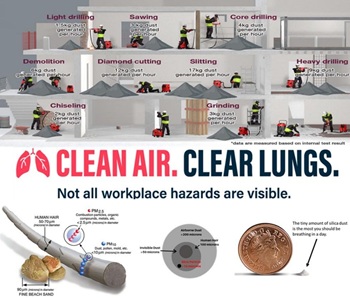
Major new study exposes serious knowledge gaps.
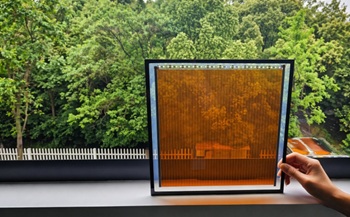
Generating energy from internal light as well as sunshine.

ECA welcomes plans to strengthen subcontractor quality control.

Combining mid-career qualifications with experience broadens career opportunities.

Why being a mentor can help your career.

Channel 4 broadcaster to host 125th anniversary ceremony.
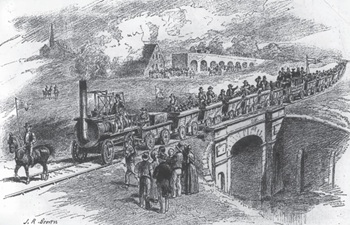
Listed structures on the rail network
Heritage interests and operational requirements must be balanced.
Historic England publishes research into embodied carbon when retrofitting traditional buildings.
New Prime Minister delivers on ECA call for cut in electricity costs.

CIOB reacts to the announcement of Andy Burnham as Prime Minister.