





Form follows function
‘Form follows function’ is a principle that proposes a building’s purpose should be the starting point for its design rather than its aesthetics. As an axiom, it is associated with modernist architects in the early-20th century, and can be termed 'functionalism'.
The phrase (which was actually 'form ever follows function'), was first coined by the American architect Louis Sullivan who helped develop the first steel skyscrapers in late-19th century Chicago. This period was a transformative one for architecture, as the new technologies and construction methods that developed during the Industrial Age meant that old and established styles could be adapted or replaced.
The principle suggested that, rather than buildings being designed in accordance with past precedents or stylistic trends, the purpose of the building would determine its form. The axiom became a touchstone for modernist architects such as Frank Lloyd Wright (who was an apprentice of Sullivan), who held that ‘form and function are one’, and rendered decorative elements as ‘ornamental’ and ‘superfluous’.
Many high-profile contemporary architects, such as Renzo Piano and Zaha Hadid, and designers of post-modern, high-tech buildings, have been criticised for their overt focus on form as opposed to practicality and functionality.
[edit] Related articles on Designing Buildings Wiki
- Aesthetics and architecture.
- Aesthetics and performance.
- Architectural styles.
- Bauhaus.
- Building design.
- Chicago school of architecture.
- Commercial style.
- Concept architectural design.
- Context.
- Contextualism.
- Design principles.
- Empirical design.
- Primary function.
- Function.
- Genius loci.
- International Style.
- Minimalist architecture.
- Modernist architecture.
- Monument and context.
- Open plan and cellular.
- Perspective.
- Postmodern architecture.
- Psychogeography.
- The history of fabric structures.
- Truth to materials.
- Zeitgeist.
Featured articles
Check out some of the best features and news from Designing Buildings as well as key stories from around the web.
Building Safety Act implementation in Wales

CIAT to host industry panel on 26 June.
New and updated CLC building safety guidance.
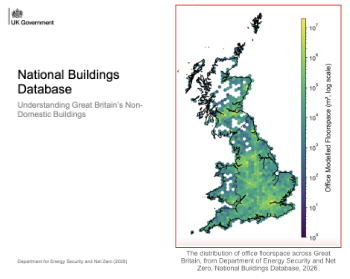
New UK National Buildings Database.
Building Safety Wiki Interviews

Chief executive of the British Woodworking Federation.
Planning condition discharge in England and Wales

A brief explanation from a building compliance expert, with further links.
Overheating guidance and tools for building designers

Guidance for dealing with element of building fabric control that have increasing importance.
Shading for housing, a design guide

From the Good Homes Alliance and British Blind and Shutter Association.
UK Standard Skills Classification (SSC)

A shared framework for describing skills needs.
Social media ban consultation comes to close

CIOB urges UK Government to consider social media’s role in careers guidance in ban debate.
The latest of eight Skills England apprenticeship units

The addition of battery manufacturing welcomed by ECA with a warning about the risks of fast-tracked apprenticeship units.
Building Control Independent Panel final report
A precis of a key report led by Dame Hackitt with full recommendations and link to the government response.