





Fabric first
A ‘fabric first’ approach to building design involves maximising the performance of the components and materials that make up the building fabric itself, before considering the use of mechanical or electrical building services systems. This can help reduce capital and operational costs, improve energy efficiency and reduce carbon emissions. A fabric first method can also reduce the need for maintenance during the building’s life.
Buildings designed and constructed using the fabric first approach aim to minimise the need for energy consumption through methods such as:
- Maximising air-tightness.
- Using Super-high insulation.
- Optimising solar gain through the provision of openings and shading.
- Optimising natural ventilation.
- Using the thermal mass of the building fabric.
- Using energy from occupants, electronic devices, cookers and so on.
Focussing on the building fabric first, is generally considered to be more sustainable than relying on energy saving technology, or renewable energy generation, which can be expensive, can have a high embodied energy and may or may not be used efficiently by the consumer.
Having energy efficiency integrated into the building envelope can mean occupants are required to do less to operate their building and not have to adjust their habits or learn about new technologies. This can result in less reliance on the end user regarding the buildings energy efficiency.
Fabric first building systems can be constructed off site, resulting in higher quality and so better performance, reduced labour costs and an increased speed of build.
The government’s approach to zero carbon homes and zero carbon non-domestic buildings adopted the fabric first approach. Developers would have been required first to avoid or mitigate regulated emissions by using on-site energy efficiency measures (such as insulation and low energy heating systems) to achieve a minimum Fabric Energy Efficiency Standards, then to adopt on-site zero carbon technologies (such as solar panels) and finally to use off-site measures to deal with any remaining emissions.
Passivhaus, an energy performance standard for dwellings, commercial, industrial and public buildings, also adopts a fabric-first approach to energy efficiency.
[edit] Related articles on Designing Buildings
- Achieving net zero in social housing.
- Active House.
- Allowable solutions.
- Applying Fabric First principles: Complying with UK energy efficiency requirements FB 80.
- Carbon ratings for buildings.
- CIOB holds net zero event with industry experts and UK Government.
- Code for sustainable homes.
- Fabric first investigation into net zero for existing buildings.
- Fabric first will safeguard heat decarbonisation.
- Passivhaus.
- Passive building design.
- Retrofit.
- Thermal bridging and the Future Homes Standard.
- Zero carbon homes.
- Zero carbon non-domestic buildings.
Featured articles
Check out some of the best features and news from Designing Buildings as well as key stories from around the web.
Industrial heritage in the Ruhr

A marked difference to the fate of industrial landscapes in the UK.

Communities will be able to build their own clean energy.
Why diversity and inclusion matters for SMEs

CIOB’s D&I Charter shows how practical changes can support long-term growth.
Cut electricity bills to power growth

Coalition sends joint letter to the Chancellor.

Gasholders: a history in pictures. Book review.
Recognition, influence and growth
SocEnv identifies three strategic pillars in new strategy to 2045.
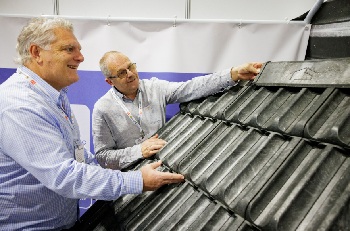
Discover the future of roofing, cladding and insulation.
New guidance for professional practice, cultural change and regulation in social housing.
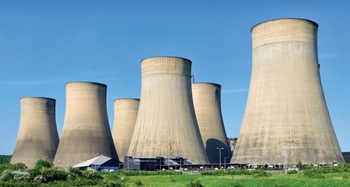
The heritage of nuclear and conventional power stations.
New measures to stop people being ripped off

Government to protect families from cowboy builders and aggressive bailiffs.

New Futurebuild showcase brings an innovation-first approach.
National Planning Policy Framework
Understanding the 2026 changes.