





Deep geothermal
Deep geothermal is a process that involves extracting heat from below the earths surface at depths of between 150 and 5,000 metres. Shallow or standard geothermal is accepted as being at depths of less that 150 metres.
The possibility of drilling deep in to the earths core beyond 150 metres only become a reality with a Boston-based MIT spin-off, Quaise energy who have developed an ultra-deep drilling technology. This repurposed technology is millimeter-wave beam technology which was originally developed to superheat plasma in fusion experiments. It effectively blasts its way through rock far below the Earth's surface that was previously not possible to drill through.
Whilst Geothermal power is a well known accepted alternative energy source, at depths of 150 metres or less, the maximum temperature achieved is 30°C, which gives a thermal capacity of 10 kW to < 5 MW but can also provide cooling. These kinds of levels are useful in the provision of renewable heat sources, however do not provide the option of electricity generation.
At depths of between 150 and 5000 metres temperatures can increase to beyond 200°C. From 90 °C – 200°C electrical power generation is possible whilst anything over 200°C allows for direct heat use for electrical power generation. At depths where rock temperatures reach 500 °C water can be heated to a "supercritical" state which massively improves the efficiency of the process of extraction.
External links
[edit] Related articles on Designing Buildings
Featured articles and news
Homes, landlords. tenants and the new housing standards
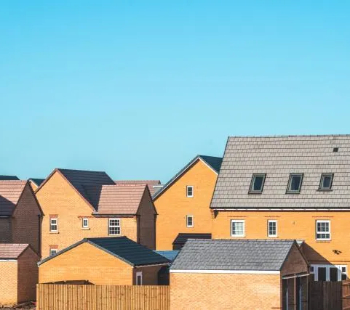
What will it all mean?
The Architectural Technology podcast: Where it's AT

Catch-up on the latest episodes.
Edmundson Apprentice of the Year award 2026

Entries now open for this Electrical Contractors' Association award.
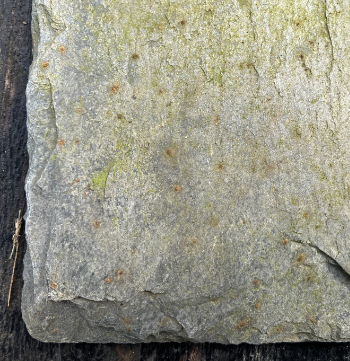
Traditional blue-grey slate from one of the oldest and largest UK slate quarries down in Cornwall.
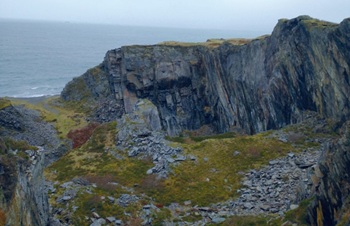
There are plenty of sources with the potential to be redeveloped.
Change of use legislation breaths new life into buildings

A run down on Class MA of the General Permitted Development Order.
Solar generation in the historic environment
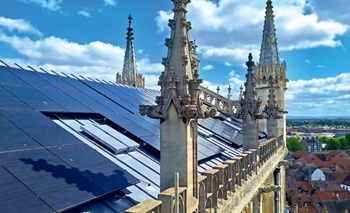
Success requires understanding each site in detail.
Level 6 Design, Construction and Management BSc
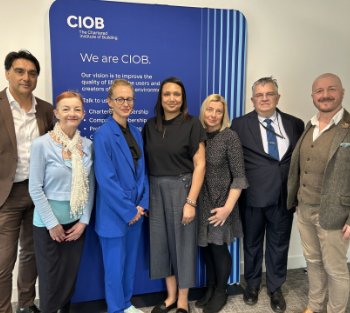
CIOB launches first-ever degree programme to develop the next generation of construction leaders.

Open for business as of April, with its 2026 prospectus and new pipeline of housing schemes.
The operational value of workforce health

Keeping projects moving. Incorporating unplanned absence and the importance of health, in operations.
A carbon case for indigenous slate
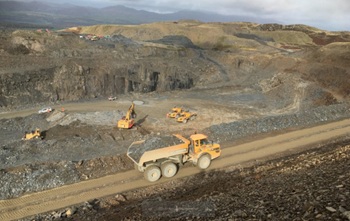
UK slate can offer clear embodied carbon advantages.
Costs and insolvencies mount for SMEs, despite growth
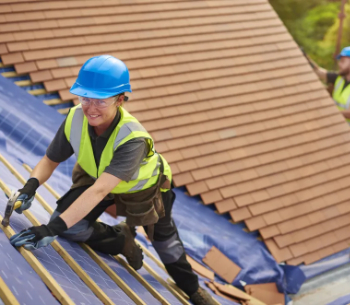
Construction sector under insolvency and wage bill pressure in part linked to National Insurance, says report.
The place for vitrified clay pipes in modern infrastructure
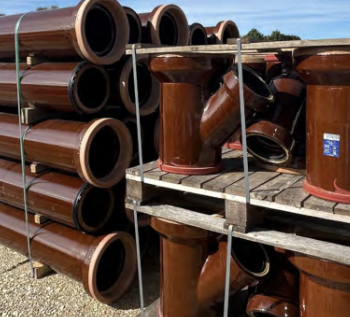
Why vitrified clay pipes are reclaiming their role in built projects.

Research by construction PR consultancy LMC published.
Roles and responsibilities of domestic clients

ACA Safety in Construction guide for domestic clients.
Fire door compliance in UK commercial buildings

Architect and manufacturer gives their low down.