





Construction management: planning permission

Planning permission is a vitally important part of almost all projects, often making the difference between whether the project proceeds to design or not. Many clients will be unwilling to commit to paying fees for detailed design until they have received planning permission, and on particularly high-risk projects, the client may even wish to obtain outline planning permission before committing to any significant expenditure. As a consequence planning permission can be applied for at different stages of the project's development.
In this project plan, we suggest the construction manager is appointed on completion of concept design. Earlier or later appointment will result in some of the activities below being re-allocated between the consultant team and the construction manager (for example the role of cost consultant).
Contents |
[edit] Assessing the type of application
The lead designer, architect and client consider whether to make an outline planning application or detailed planning application.
The lead consultant co-ordinates advice from the consultant team on the likely need for an environmental impact assessment and advises the client. It is important that this is considered at a very early stage in the project as preparing an environmental impact assessment can take a considerable time and may influence decisions such as site selection. The client may seek a screening decision and/or a scoping study from the local planning authority.
[edit] Undertaking a consultation process.
The lead designer consults with the local planning authority (and other appropriate statutory and non-statutory authorities) to determine the preferred form of the application, dates of planning committee meetings, committee procedures, possible planning conditions and possible planning obligations (section 106 agreement), as well as the application of the community infrastructure levy and the requirement to undertake an external consultation process.
The cost consultant (or construction manager if appointed) advises on the cost effects of statutory requirements and other requirements including possible planning conditions and planning obligations (section 106 agreement).
The client considers advice from the lead designer and cost consultant (or construction manager if appointed) and, if necessary, instructs amendments to the design.
The client and lead designer consider the extent and nature of the external consultation process that will be undertaken. The client begins an external consultation process with assistance from the consultant team.
The client considers the results of the consultation process and instructs further revisions to the design if required.
[edit] Preparing a planning application.
The lead designer co-ordinates the preparation of a draft planning application and issues it to the client for consideration. The cost consultant (or construction manager if appointed) advises the client about any abnormal costs arising from the draft planning application.
The client considers the draft planning application and, if necessary, instructs the lead consultant to arrange a value management exercise.
[edit] Submitting a planning application.
The client submits (or instructs the lead designer to submit) the planning application, including the planning fee.
The client (or lead designer) consults with the local planning authority on the progress of the application and likely planning conditions and planning obligations (section 106 agreement). If necessary, the client and lead designer respond to questions from the local planning authority and make representations to the planning committee.
On receipt of a decision (or recommendation in the planning officers' report) the client, lead designer and construction manager (if appointed) consider the planning conditions and planning obligations (section 106 agreement) that have been, or are likely to be, imposed and, if necessary, instructs the lead consultant to revise the application. If required, the client re-submits (or instructs the lead designer) to re-submit the outline or detailed planning application.
If necessary, on receipt of the decision the client lodges a planning appeal.

Featured articles
Check out some of the best features and news from Designing Buildings as well as key stories from around the web.
New and updated CLC building safety guidance.
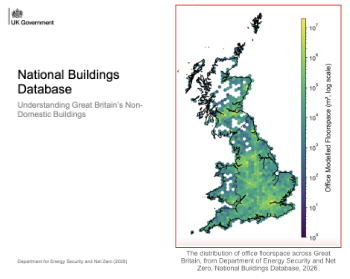
New UK National Buildings Database.
Building Safety Wiki Interviews

Chief executive of the British Woodworking Federation.
Planning condition discharge in England and Wales

A brief explanation from a building compliance expert, with further links.
Overheating guidance and tools for building designers

Guidance for dealing with element of building fabric control that have increasing importance.
Shading for housing, a design guide

From the Good Homes Alliance and British Blind and Shutter Association.
UK Standard Skills Classification (SSC)

A shared framework for describing skills needs.
Social media ban consultation comes to close

CIOB urges UK Government to consider social media’s role in careers guidance in ban debate.
The latest of eight Skills England apprenticeship units

The addition of battery manufacturing welcomed by ECA with a warning about the risks of fast-tracked apprenticeship units.
Building Control Independent Panel final report
A precis of a key report led by Dame Hackitt with full recommendations and link to the government response.
Building Safety recap April, 2026
A short and longer run-through of the month, with links to further information and sources.