






CIOB comment on Biodiversity Net Gain legislation

CIOB has welcomed new legislation to enhance biodiversity but warns skills shortages could limit its impact.
On February 12, 2024, new legislation will come into force which means major development (unless otherwise exempt) will have to deliver net gains for biodiversity leading to positive outcomes for nature, better places for local communities and more consistent and transparent requirements for developers. The legislation will apply to smaller developments from April 2024.
Amanda Williams, head of environmental sustainability at CIOB, said: “This important legislation has been a long time coming so after a number of delays I’m glad it has finally come into force. I accept those delays and lack of a clear timeline has left many in the built environment sector feeling underprepared to successfully deliver biodiversity net gain, but I fear more delays could have resulted in the legislation being scrapped altogether, which would be a big step backwards for reducing construction’s impact on the environment.
“It will take time for our industry to adapt to the complex new legislation and understanding will need to be shown by regulators, particularly while there continues to be a shortage of experts such as ecologists to factor biodiversity net gain into project plans, deliver it and monitor success. CIOB has long called for a green skills strategy to address this and other skills shortages in areas such as retrofitting and without recruiting, training and retaining these specialists, biodiversity net gain, along with net zero will not be achieved.
“In my view the role communities can play in delivering biodiversity net gain is being overlooked and I’d urge project teams to involve them and draw on their knowledge and experience of local habitats and wildlife which can prove invaluable. According to the 2023 State of Nature Report, the UK is one of the most nature-depleted countries on earth and there’s a responsibility on us all to work together to turn that around.
“Looking into the future, the current biodiversity net gain legislation does not address construction’s full impact on nature as it excludes the production and processing of construction materials, such as timber, sand, and minerals including gravel, iron ore and rocks, and how they affect biodiversity. The embodied biodiversity impacts of a project, i.e. the impacts on biodiversity resulting from the processes that take place throughout a material’s lifecycle, from extraction to end of life disposal, are not covered by the current rules and this is something that in time will need to be addressed.”
This article appears on the CIOB news and blog site as "CIOB comment on Biodiversity Net Gain legislation" dated February 12, 2024.
--CIOB
Featured articles and news
Level 6 Design, Construction and Management BSc
CIOB launches first-ever degree programme to develop the next generation of construction leaders.

Open for business as of April, with its 2026 prospectus and new pipeline of housing schemes.
The operational value of workforce health

Keeping projects moving. Incorporating unplanned absence and the importance of health, in operations.
A carbon case for indigenous slate
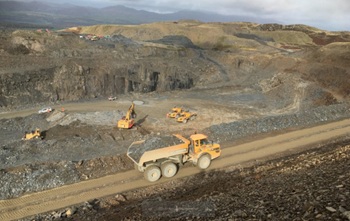
UK slate can offer clear embodied carbon advantages.
Costs and insolvencies mount for SMEs, despite growth

Construction sector under insolvency and wage bill pressure in part linked to National Insurance, says report.
The place for vitrified clay pipes in modern infrastructure
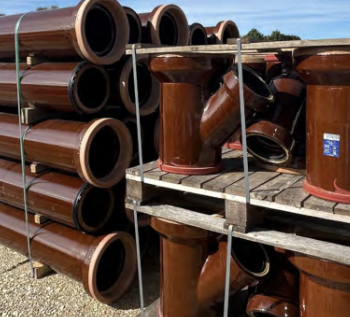
Why vitrified clay pipes are reclaiming their role in built projects.

Research by construction PR consultancy LMC published.
Roles and responsibilities of domestic clients

ACA Safety in Construction guide for domestic clients.
Fire door compliance in UK commercial buildings

Architect and manufacturer gives their low down.
Plumbing and heating for sustainability in new properties

Technical Engineer runs through changes in regulations, innovations in materials, and product systems.
Awareness of the Carbon Border Adjustment Mechanism
What CBAM is and what to do about it.
The new towns and strategic environmental assessments
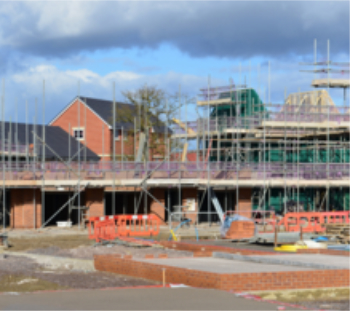
12 locations of the New Towns Taskforce reduced to 7 within the new towns draft programme and open consultation.
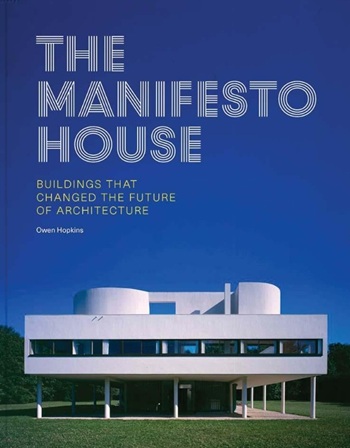
Buildings that changed the future of architecture. Book review.
The Sustainability Pathfinder© Handbook
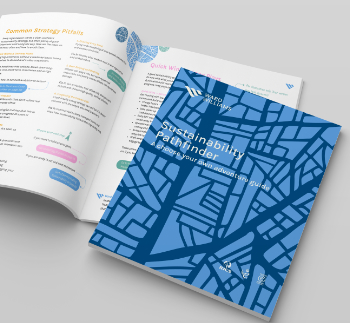
Built environment agency launches free Pathfinder© tool to help businesses progress sustainability strategies.
Government outcome to the late payment consultation, ECA reacts.
IHBC 2025 Gus Astley Student Award winners

Work on the role of hewing in UK historic conservation a win for Jack Parker of Oxford Brookes University.