





Biological fouling
Biological fouling (or biofouling) refers to the collection of impure or unwanted organisms (including bacteria, plants, small animals and so on) that may colonise, resulting in biofilms in marine and industrial settings.
Biofouling can sometimes interfere with the operation of equipment (including marine vehicles) or the purity of water collection and delivery systems (including inlets, pipes and so on). If biofouling occurs in certain types of mechanical systems (including heating and cooling systems), it can cause clogging that may lead to poor performance, system failures and costly remedial works.
Steps to address biofouling (sometimes referred to as anti-fouling measures) will depend on the type of mechanical systems and the cause of the biofouling condition.
NB Water safety in buildings, published by the World Health Organization in 2011, defines biofilms as: ‘A slimy matrix produced and inhabited by bacteria, which enables the bacteria to adhere to a surface and carry out certain essential biochemical processes.’
[edit] Related articles on Designing Buildings
- Biofilm.
- BSRIA Water Treatment for Closed Heating and Cooling Systems BG 50/2021.
- Copper in construction.
- Foul water.
- Groundwater control in urban areas.
- Heating ventilation and air conditioning.
- Pipework.
- Training for pre-commissioning cleaning of pipework systems.
- Water purification.
- Water treatment.
Featured articles and news
Building Control Independent Panel final report

A precis of a key report lead by Dame Hackitt with full recomendations and link to the government response.
Guide to ISO 19650 for Architecture Firms (2026)
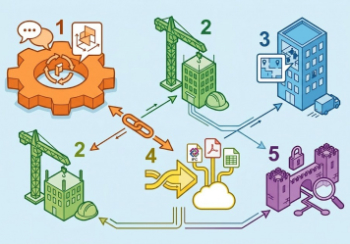
A user gives their low down.

A UK training and membership provider for mould remediation professionals.
Building Safety recap April, 2026

A short and longer run-through of the month, with links to further information and sources.
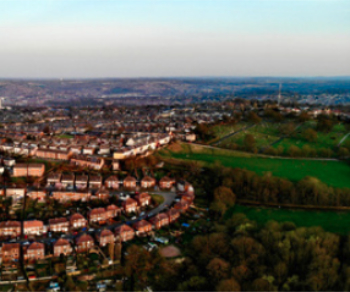
CIAT May 2026 briefing.

Independent NSI and BAFE study exploring how organisations are changing the way they buy fire safety services.

From medieval scribes to modern word art.

ECA welcomes crackdown on late payment and push for clean energy, whilst CIOB seek fixed cladding removal timeframes.
Cyber Security in the Built Environment

Protecting projects, data, and digital assets: A CIOB Academy TIS.
Managing competence in the built environment

ITFG publishes new industry guide on how to meet the ICC principles.
The UK's campaign to reduce noise pollution: Mythbusting, articles and topic guides.
Setting Expectations on Competence Management
Industry Competence Committee.
New Scottish and Welsh governments
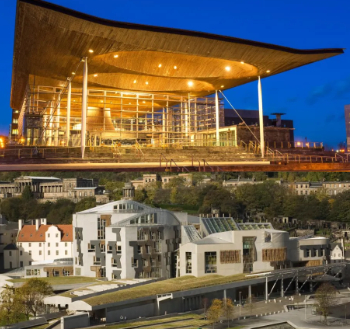
CIOB stresses importance of construction after new parliament elections.
The sad story of Derby Hippodrome
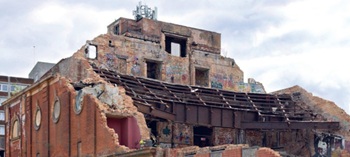
An historic building left to decay.

ECA, JIB and JTL back Fabian Society call to invest in skills for a stronger built environment workforce.