





Anaerobic digestion
The word 'anaerobic' (or anoxic) means oxygen deficient (or oxygen depleted).
Anaerobic digestion (AD) is the microbial degradation of organic material known as ‘feedstock’ (such as farm waste, food waste and energy crops) to produce biogas. This process is sometimes referred to as ‘biomethanation’.
Typically, anaerobic digestion takes place in sealed, insulated tanks (digesters) in the absence of oxygen. It requires a heat source, either a mesophilic process at temperatures of 35 to 40°C or a thermophilic process at 50 to 60°C. The mesophilic process tends to be used for low-solid wastes such as animal slurry, while the thermophilic process tends to be used for high-solid materials such as a garden waste.
The products of anaerobic digestion are; biogas (sometimes called biomethane or renewable natural gas (RNG)), water and fermented organic material (digestate).
The digestate can be used as a high-quality fertiliser.
After a relatively striaght-forward clean-up process, biogas can be used as a fuel. Biogas is mainly composed of methane and carbon dioxide, but may also contain small amounts of nitrogen, hydrogen and carbon monoxide, as well water vapour and contaminants such as hydrogen sulphide and siloxanes.
Biogas is often used to fuel combined heat and power (CHP) plant that produces both electricity and heat. The heat can be used for the anaerobic digestion process and can also be used to pasteurise animal-derived waste so that it can be used as fertilisers.
Combined heat and power plant can feed electricity into the national grid, and so biogas installations may qualify for payments under the renewable heat incentive (RHI) scheme (other than biogas from landfill).
Anaerobic digestion is recognised by the UK government and by the United Nations as having significant potential to help achieve sustainability targets as it produces local energy and fertilizer and makes use of local waste products that might otherwise be difficult to dispose of.
Combined heat and power plant can feed electricity into the national grid, and so biogas installations may qualify for payments under the renewable heat incentive (other than biogas from landfill).
Biogas can be fed into the national gas network if it is cleaned of carbon dioxide.
NB BG 34/2021, The Illustrated Guide to Renewable Technologies, 2nd edition, written by Michelle Agha-Hossein and David Bleicher and published by BSRIA in 2021, states: ‘Anaerobic digestion is a process that produces gas from organic material with a high methane content, such as agricultural, household and industrial residues and sewage sludge. In addition to methane gas, a solid residue similar to compost and a liquor are also produced. The former can be used as a soil conditioner while the latter can be used for fertiliser (depending on the level of contamination). The solid residue can also be burnt as a fuel or gasified. The methane gas can be used to power a gas engine or turbine to generate electricity and heat. This process is used in very large applications.’
[edit] Related articles on Designing Buildings
- Biogas (repeats some of the text in this article).
- Biomass.
- Combined heat and power.
- Feed in tariff.
- Renewable energy.
- Renewable heat incentive.
- Zero carbon homes.
- Zero carbon non-domestic buildings.
Featured articles
Check out some of the best features and news from Designing Buildings as well as key stories from around the web.

Your guide to The Construction Reset at UKCW Birmingham.

Accommodating the Victorian and Edwardian working woman. Book review.
Rethinking passive fire protection in design

PFP demands the same level of design rigour as structure or services.

38% of Gen Zs feel safe when a fire door is wedged open.
Stunning images from around the world

Shortlist for CIOB’s Art of Building photography competition.

Guidance for conversion of traditional pre-1919 stone buildings.
Industrial heritage in the Ruhr
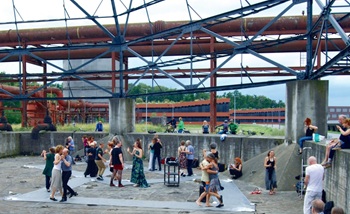
A marked difference to the fate of industrial landscapes in the UK.
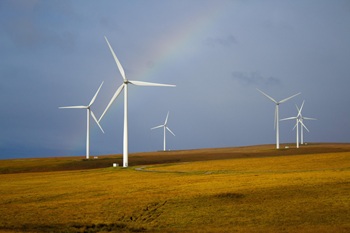
Communities will be able to build their own clean energy.
Why diversity and inclusion matters for SMEs

CIOB’s D&I Charter shows how practical changes can support long-term growth.
Cut electricity bills to power growth

Coalition sends joint letter to the Chancellor.

Gasholders: a history in pictures. Book review.
Recognition, influence and growth

SocEnv identifies three strategic pillars in new strategy to 2045.