





Advice note for external wall systems that do not incorporate ACM
Aluminium Composite Material (ACM) panels are commonly used for cladding buildings, typically as a form of rainscreen. ACM cladding consist of two skins of aluminium bonded to either side of a lightweight core of materials such as polyethylene (PE), polyurethane (PUR), profiled metal or a mineral core.
ACM cladding became notorious following the Grenfell Tower fire on 14 June 2017, when ACM cladding with a polyethylene core was thought to have contributed to the rapid spread of the fire up the outside of the tower.
A series of guidance notes were issued following the fire for owners of other high-rise buildings clad with ACM cladding. However, On 11 December 2017, the Department for Communities and Local Government issued Advice for building owners: external wall systems that do not incorporate ACM.
The advice note was developed in consultation with the Department’s Independent Expert Advisory Panel and is intended for those responsible for residential buildings over 18 metres in height, concerned about the fire safety implications of external wall systems that do not incorporate ACM.
The note states:
“ACM is part of a wider range of Metal Composite Materials (MCM) faced with other metals such as zinc, copper, and stainless steel. Like ACM, the filler or core material of MCM panels varies between products and can include combustible materials. In addition, the facing materials of MCM have different melting points, therefore the fire performance may differ depending on the type of metal facing. Building owners should seek professional advice over the suitability of MCM cladding.”
“There are many different types of components used in the construction of external wall systems, for example, high pressure laminates (HPL) and rendered insulation systems, and all perform differently when exposed to a fire. It is, therefore, important that the right combination of products has been installed and maintained correctly, to ensure they adequately resist the spread of fire over the wall to the standard required by current building regulations guidance.”
Separate guidance, Advice for External Wall Insulation (EWI) systems with a render or brick-slip finish, was also published on 11 December.
[edit] Find out more
[edit] Related articles on Designing Buildings Wiki
- ACM cladding.
- ACM cladding testing by BRE.
- Advice for External Wall Insulation (EWI) systems with a render or brick-slip finish.
- Celotex RS5000 PIR insulation.
- Fire performance of external thermal insulation for walls of multistorey buildings, third edition (BR 135)
- Grenfell Tower articles.
- Grenfell Tower fire.
- Grenfell Tower independent expert advisory panel.
- Grenfell Tower Inquiry.
- Independent review of the building regulations and fire safety.
- Lakanal House fire.
- Rainscreen cladding.
Featured articles
Check out some of the best features and news from Designing Buildings as well as key stories from around the web.
Bridging the gap between clients and contractors

Concerns remain around contractor quality, capability, and delivery.
Construction Management, 10 June.
Heat pumps beat boilers in new home tests.
Building Safety Act implementation in Wales

CIAT to host industry panel on 26 June.
New and updated CLC building safety guidance.
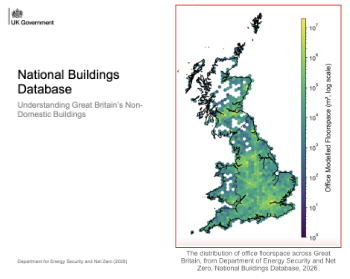
New UK National Buildings Database.
Building Safety Wiki Interviews

Chief executive of the British Woodworking Federation.
Planning condition discharge in England and Wales

A brief explanation from a building compliance expert, with further links.
Overheating guidance and tools for building designers

Guidance for dealing with element of building fabric control that have increasing importance.
Shading for housing, a design guide

From the Good Homes Alliance and British Blind and Shutter Association.
UK Standard Skills Classification (SSC)

A shared framework for describing skills needs.
Social media ban consultation comes to close

CIOB urges UK Government to consider social media’s role in careers guidance in ban debate.