





Admixtures in concrete
An admixture is a substance which can be added to concrete to achieve or modify its properties. Admixtures are added to the concrete, in addition to cement, water and aggregate, typically immediately before or during the mixing process.
Admixtures can be used to reduce the cost of building with concrete, or to ensure certain required properties or quality of the cured concrete. If problems arise with the concrete during the construction process, admixtures can be used as an emergency measure to try and prevent failure. In addition, some of the main functions of using admixtures include:
- Water-reducing: Can reduce the water content needed to reach a required slump by 5-10%.
- Retarding: Slow the setting rate of concrete, keeping it workable and are often used to counteract the accelerating effect of hot weather.
- Accelerating: Increase the rate of early-strength development and reduce the time required for curing.
- Superplasticizers/plasticizers: Can reduce water content by 12-30% to make a highly fluid but workable form of concrete known as flowing concrete.
- Corrosion-inhibiting: Used to slow the corrosion of reinforcing steel in the concrete. Often used in marine structures, bridges and others that will be exposed to chloride in high quantities.
- Air-entraining: Small bubbles of air formed uniformly through the concrete mix to increase cohesion and resistance to freeze-thaw degradation.
- Improving the curing of the concrete.
- Providing waterproofing properties.
- To improve hardness.
- Providing colour.
- Offsetting or reducing a chemical reaction.
- Aeration to reduce the weight.
- Offsetting or reducing shrinkage.
- Dispersing cement particles when mixed with water.
- Alkali-silica reactivity reduction.
Admixtures are usually provided in a liquid form. Some admixtures, such as pigments, pumping aids and expansive agents, are typically added manually from pre-measured containers as the amount used is very small.
[edit] Related articles on Designing Buildings Wiki
- Admixture, additive or agent.
- Aggregate.
- Alkali-activated binder.
- Bentonite.
- Binding agent.
- Concrete.
- Concrete masonry unit CMU.
- Concrete repair mortars.
- Concrete superplasticizer.
- Graphene-reinforced concrete.
- Gravel..
- Plasticiser.
- Portland cement.
- Reinforced concrete.
- Self-compacting concrete.
- Spalling.
- The properties of concrete.
- Types of concrete.
- Ultra high performance fibre concrete.
- Waterproofing admixture.
Featured articles
Check out some of the best features and news from Designing Buildings as well as key stories from around the web.

New and updated CLC building safety guidance.
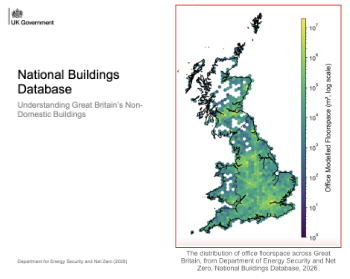
New UK National Buildings Database.
Building Safety Wiki Interviews

Chief executive of the British Woodworking Federation.
Planning condition discharge in England and Wales

A brief explanation from a building compliance expert, with further links.
Overheating guidance and tools for building designers

Guidance for dealing with element of building fabric control that have increasing importance.
Shading for housing, a design guide

From the Good Homes Alliance and British Blind and Shutter Association.
UK Standard Skills Classification (SSC)

A shared framework for describing skills needs.
Social media ban consultation comes to close

CIOB urges UK Government to consider social media’s role in careers guidance in ban debate.
The latest of eight Skills England apprenticeship units

The addition of battery manufacturing welcomed by ECA with a warning about the risks of fast-tracked apprenticeship units.
Building Control Independent Panel final report
A precis of a key report led by Dame Hackitt with full recommendations and link to the government response.
Building Safety recap April, 2026

A short and longer run-through of the month, with links to further information and sources.