





A guide to the use of urban timber FB 50
BRE (Building Research Establishment) is an independent, research-based consultancy, testing and training organisation, operating in the built environment and associated industries.
A guide to the use of urban timber (FB 50) was written by Geoff Cooper and published by BRE on 31 July 2012.
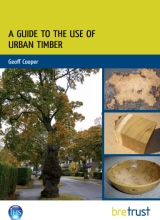
Every day across the UK, thousands of tonnes of wood residue are produced through arboricultural work. However, the timber this produces is normally variable and inconsistent, resulting in problems with collection, transportation and selection. As a result, much of it is relegated to the much or firewood bin.
FB 50 is a 64-page illustrated guide to using timber from the UK’s urban timber resource, including street, park and urban woodland trees. It provides guidance on the selection and identification of high-value stems, as well as processing, drying, transport, storage and the logistical problems of dealing with felled material.
The guidance promotes the use of many common and exotic species for high-value solid wood products rather than being processed for firewood, chipped to produce mulch or sent to landfill. It is intended to help local authorities maximise the value of timber produced in towns and cities and to develop the best options for using solid wood produced during normal maintenance.
The contents of the guide are:
- Introduction.
- Material and species availability.
- Assessing stems for timber production.
- Value-added growth feature.
- A sawmill perspective.
- Timber dimensions, measurement and material grading.
- Wood drying.
- Air drying.
- The kiln drying of timber.
- Kiln drying processes.
- Drying schedules.
- Problems associated with wood drying.
- Calculating value.
- Identifying prospective markets.
- Appendix: Species list and wood property information.
- References.
[edit] Related articles on Designing Buildings Wiki
- 11 things you didn't know about wood.
- BRE articles on Designing Buildings Wiki.
- BRE Buzz articles on Designing Buildings Wiki.
- BRE Buzz.
- Building Research Establishment.
- Carpentry.
- Cat's paw figure.
- Definition of tree for planning purposes.
- Delivering sustainable low energy housing with softwood timber frame.
- Dunnage.
- End racking.
- Facts about forestry.
- Forest ownership.
- Forests.
- Physical Properties of Wood.
- Rip sawing.
- Ripple figure.
- Spalting.
- The differences between hardwood and softwood.
- Tiger-stripe figure.
- Timber preservation.
- Timber sticker.
- Timber vs wood.
- Timber.
- Tree preservation order.
- Tree rights.
- Types of timber.
- Urban trees.
- Waney edged.
Featured articles
Check out some of the best features and news from Designing Buildings as well as key stories from around the web.

CIOB celebrates positive Ofsted report.

The Building Safety Regulator announces a call for evidence.

Government approach could undermine delivery and regeneration.
World's first mass timber data centre.

The overlooked environmental aspect of data centre development.
Introduction to radon awareness

New technical information sheet published by CIOB.

Updated supplier guide can help electrical contractors engage with NHP.

CIAT confirm the winners of the 2026 architectural technology awards.

Government launches a one stop shop for flood preparedness.

Sir Edwin Lutyens: Britain's greatest architect? Book review.

CIOB publishes free template to help assess and manage risks.
ECA's reflections on Party Conference season

Burnham wants to be confident of winning before asking for a fresh mandate.
New Chief Construction and Scientific Adviser

Sergio Cavalaro, Professor of Infrastructure Systems at Loughborough University.