





Toronto Tree Tower

In 2017, Penda architects teamed up with the Canadian timber consultants Tmber to design a modular high-rise tower for Toronto.
The Toronto Tree Tower is intended to be a catalyst for future residential buildings that are more efficient to construct and more ecological than some more common construction methods. The 18-storey tower will stand 62 m high and will provide 4,500 sq. m of residential space and 550 sq. m of public space.

Canada has a long tradition of timber construction and was one of the first countries in the world to change their building codes to use timber in vertical structures. It was also a forerunner for a modular, prefabricated construction which was both efficient and visually interesting, a primary example being Moshe Safdie’s Habitat 67.
Inspired by the Habitat, The Tree Tower proposes using pre-fabricated and pre-cut cross-laminated timber (CLT) panels, assembled into modules off-site at an indoor facility.

The modular, prefab process is faster, less noisy, reduces waste and allows a high degree of quality control as most parts of the building are assembled in a controlled indoor environment. The structure of the building is mainly massive timber panels with a hybrid of CLT, concrete and steel-elements where needed and makes a statement about the use of engineered wood products in vertical structures. The tower not only uses massive timber panels as its main structural elements, but also has timber-clad panels on its facade.
Large outdoor areas provide a space for herb and vegetable planters for the residents. The botany on the terraces offer a private garden for each apartment, which creates a degree of privacy within the density of the city. The trees also provide shade in the summer and help to keep the temperature low on warm days.
Content and images courtesy of Penda.
[edit] Find out more
[edit] Related articles on Designing Buildings Wiki
Featured articles
Check out some of the best features and news from Designing Buildings as well as key stories from around the web.

Gasholders: a history in pictures. Book review.
Recognition, influence and growth

SocEnv identifies three strategic pillars in new strategy to 2045.
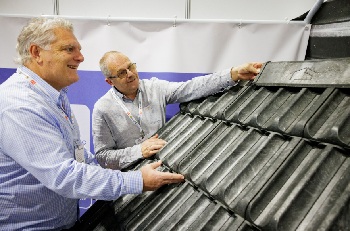
Discover the future of roofing, cladding and insulation.

New guidance for professional practice, cultural change and regulation in social housing.
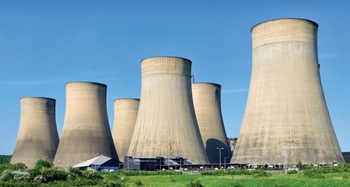
The heritage of nuclear and conventional power stations.
New measures to stop people being ripped off

Government to protect families from cowboy builders and aggressive bailiffs.

New Futurebuild showcase brings an innovation-first approach.
National Planning Policy Framework
Understanding the 2026 changes.
ECA's public affairs priorities

Member consultation opens to shape priorities for 2027 to 2030.

Dutyholder responsibilities from 1 July 2026.
Where performance meets practice

The Building Envelope Stage at UKCW Birmingham.
CIAT publishes briefing on planning reforms.
Comments
Can we have comments on actual living conditions encountered by residents compared to their previous living?