





Wall hung toilets

Wall hung toilets are becoming an increasingly popular option for those looking to create contemporary style bathrooms in their homes or even on their business premises. Compared with their more conventional counterparts, wall hung toilets can offer a number of practical benefits.
Wall hung toilets are perhaps best known for the unique look they have. With a concealed cistern in the wall and a toilet bowl seemingly ‘suspended’ above the floor, they can appear very different to the traditional floor-mounted toilet that many of us are used to.
The suspended design lends itself very well to the easy cleaning of the bathroom or WC where the toilet is placed as it is simple to clean under and around the wall hung toilet. In addition to the suspended design, many wall hung toilets have sides which are very easy to wipe clean, with no difficulty in accessing any nooks and crannies that may be hard to reach with cleaning products. These two factors combined make for a more efficient cleaning process and improved hygiene standards.
The design of the toilet also lends itself to a better use of space. As the toilet is generally not very bulky, it makes a good space-saver and can be placed closer to other furniture, a shower enclosures or a sink. This means that the wall hung toilet can be a good option for small and narrow spaces, allowing for the placing of a toilet in an otherwise awkward area. This can make wall hung toilets ideal for that downstairs water closet or in a small bathroom where many items of bathroom furniture need to be placed in a practical fashion.
The fact that the wall hung toilet is not cluttering up space and that it is easily slotted in next to other bathroom fittings also creates the illusion of a more spacious area.
Another advantage of the wall hung toilet is that it can be hung at any height required. Whereas floor-mounted toilets are generally only available in one height. This can bring benefits fro those with certain physical conditions, or those who simply have a desired height for comfort or design reasons.
The final factor that makes wall hung toilets a particularly advantageous element in a bathroom is the ‘wow’ factor that they have. Although increasingly popular, the wall hung toilet is not yet commonplace, and can add a unique touch to any bathroom whether in a home or a public establishment. The wall hung toilet has a clean and modern design that adds a touch of class and luxury to a bathroom, making it perfect for homeowners wishing to achieve this effect. The design also matches well with other contemporary features in the home and is complemented by other modern fittings such as frameless shower enclosures.
The disadvantages of wall hung toilets include the fact that as they are suspended, they can require a concealed framework to support them, which can be difficult to instal. Creating the space for the frame and for the concealed cistern can mean that more than one trade is required, wheras installation of a conventional toilet may only require plumbing skills.
In addition, as the cistern and connections are concealed, they can be difficult to access for maintenance and repairs, even with the inclusion of an inspection hatch. If the cistern or frame need to be replaced, this can involve cutting a hole in the wall and then reparing it.
It is also more likely that problems will go undetected, allowing damage to build up before it is noticed, for example if there is a leak.
[edit] Related articles on Designing Buildings
Featured articles
Check out some of the best features and news from Designing Buildings as well as key stories from around the web.
Mayors are to be given planning call in powers
Mayors across England will be able to make the most important planning decisions.
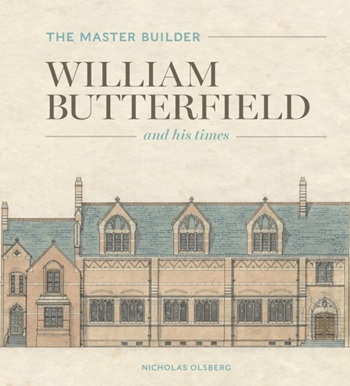
The Master Builder: William Butterfield and his times. Book review.
Why construction can't afford to ignore the skills gap.
Building Safety Regulator, 19 August

Gill Kernick appointed Independent Chair of Residents’ Panel.
Connecting knowledge, technology and conservation
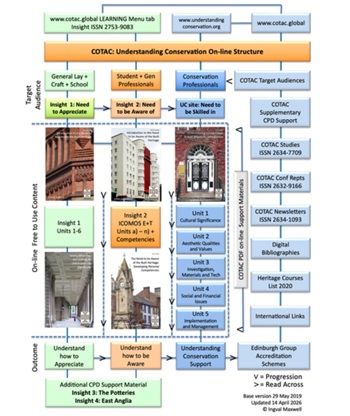
Building competence for the future of built heritage.
Building Regulations and Building Safety Act
CIOB publishes free advice for non-domestic clients.

Building Safety Newsletter from MHCLG.
An extraordinary record of steel engineering worldwide.
Households living near new pylons to save on bills.

ECA warns growth must not outpace grid capacity or skills.
The role of the client and decision making

CIOB response to built environment professions call for evidence.
Construction's sustainability reporting revolution
Tracking upfront embodied carbon with digital tools.