





Alcove

|

|
An alcove is a recess that opens into a room or other space, partially enclosed by vertical elements such as walls, pillars, balustrades, and so on.
In medieval architecture, alcoves often featured in halls, separated from the main space by curtains or timber partitions. In Roman and Renaissance architecture, alcoves were adapted to become tall, elegant semi-circular spaces hollowed out of thick walls and used to display statues and sculptures.
In more modern architecture, bed and kitchen alcoves developed as a way of conserving space in constricted buildings such as residential apartments. They now often appear to one side of a chimney breast.
Smaller alcoves can be used to contain ornaments, shelving, and so on. When designed carefully they can create attractive focal points and enhance the character of a particular room.
Alcoves may be designed to blend into their surroundings as architectural features, and may include shelving, concealed lighting, a glass front and so on. Small rectangular or square box alcoves are popular in contemporary architecture, often painted a deeper, or contrasting, colour to the rest of the room. This helps to give a greater impression of depth.
When designing an alcove, or adapting a space to incorporate one, it is important to consider the space that will be 'lost', as often, to achieve the required recess, a wall will need to be brought forward. New runs of skirting or cornicing may also be required, as well as new positions for power sockets.
It should also be borne in mind that there could be services running through the existing wall, which may need to be re-routed, or may need to remain accessible.
Cracking can also be a problem where new plaster meets old plaster. To avoid this, the wall should be properly skimmed to a minimum of 400 mm beyond the point where the two types of plaster meet. Manufacturers offer a wide variety of plaster casts for whole alcoves.

[edit] Related articles on Designing Buildings
Featured articles
Check out some of the best features and news from Designing Buildings as well as key stories from around the web.
Bridging the gap between clients and contractors

Concerns remain around contractor quality, capability, and delivery.
Construction Management, 10 June.
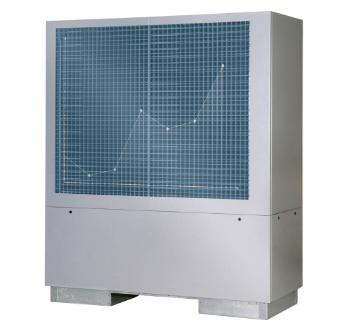
Heat pumps beat boilers in new home tests.
Building Safety Act implementation in Wales

CIAT to host industry panel on 26 June.
New and updated CLC building safety guidance.
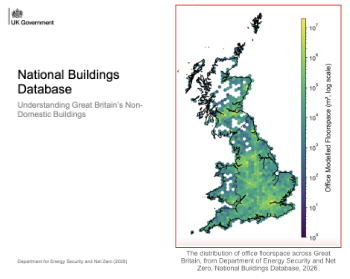
New UK National Buildings Database.
Building Safety Wiki Interviews

Chief executive of the British Woodworking Federation.
Planning condition discharge in England and Wales

A brief explanation from a building compliance expert, with further links.
Overheating guidance and tools for building designers

Guidance for dealing with element of building fabric control that have increasing importance.
Shading for housing, a design guide

From the Good Homes Alliance and British Blind and Shutter Association.
UK Standard Skills Classification (SSC)

A shared framework for describing skills needs.
Social media ban consultation comes to close

CIOB urges UK Government to consider social media’s role in careers guidance in ban debate.