





What is BREAM
Contents |
[edit] Introduction
The Building Research Establishment’s (BRE’s) Environmental Assessment Method (BREEAM) is a scheme for assessing the environmental performance of buildings. There are five BREEAM technical standards, of which the most commonly used is ‘New Construction’ for homes and commercial buildings.
The other four technical standards are:
- In-Use (for commercial buildings),
- Refurbishment & Fit-Out (for homes and commercial buildings),
- Infrastructure (for civil engineering and public realm projects), and
- Communities (for masterplanning).
[edit] What areas of environmental performance does BREEAM cover?
BREEAM is a form of whole-building life cycle assessment, accounting for how the individual building is designed and the way materials and products are used within that design. It assesses ‘sustainable value’ across nine categories, including energy, health and wellbeing, and materials.
Each category is broken down into further areas of performance, known as ‘assessment issues’, some of which are mandatory. The categories are not weighted equally, as BREEAM aims to balance social, economic, and environmental impacts to create a complete picture of sustainability.
The result of an assessment is a rating of up to six stars, which correspond to the BREEAM rating system from Outstanding, through Excellent, Very Good and Good, to Pass. There is also an Acceptable rating, but this is only a feature of In-Use assessments.
[edit] When should a BREEAM assessment start?
There are two stages of assessment and certification. An interim certificate is issued based on a design stage assessment. The final certificate and rating are awarded post-completion.
Engaging a BREEAM assessor at an early stage of a project helps to guide the design, giving the project team greater certainty that they are on course to achieve the desired rating - especially for Excellent or Outstanding.
BREEAM 2018 requires several reports to be completed before planning submission. If design work is carried out without considering its impact on BREEAM scoring, costly and time consuming changes to the scheme might have to be carried out, or a lower rating accepted as the final result.
See also: An introduction to BREEAM
[edit] Related articles on Designing Buildings
Featured articles
Check out some of the best features and news from Designing Buildings as well as key stories from around the web.

Your views needed - a strategy for the professions, trades and occupations.

Confronting competency, codes, capacity and costs.

The hidden risk in modern construction supply chains.
Construction Management, 10 June

24 months to 14: CITB launches accelerated apprenticeships.
Bridging the gap between clients and contractors

Concerns remain around contractor quality, capability, and delivery.
Construction Management, 10 June.
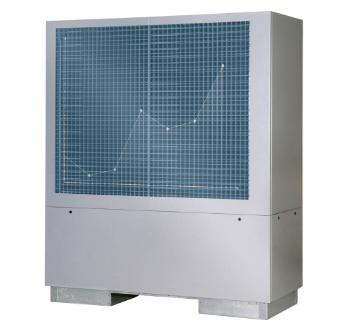
Heat pumps beat boilers in new home tests.
Building Safety Act implementation in Wales
CIAT to host industry panel on 26 June.

New and updated CLC building safety guidance.
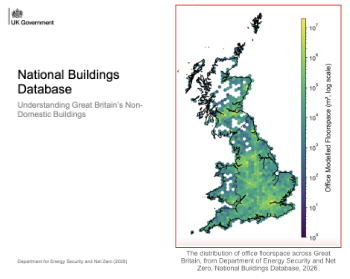
New UK National Buildings Database.
Building Safety Wiki Interviews

Chief executive of the British Woodworking Federation.
Planning condition discharge in England and Wales

A brief explanation from a building compliance expert, with further links.