





Vanity unit
A vanity unit, sometimes called sink unit or cupboard, under-sink or basin cabinet, is simply a cupboard with a flat surface that houses a sink, normally a wash basin and normally located in a bathroom. The units are normally made from timber or composite material and can be a wall-hung, freestanding or corner units with the sanitaryware basin above, whole, inset, recessed or resembling a bowl sitting on the surface. In all cases the sanitary pipework is most likely to be hidden by the unit itself.
Historically, vanity units pre-age running water and would have originally been a simple closed bowl or basin sitting on a small cupboard, often in a bedroom, filled and emptied by hand for an early morning wash. As early as 1762, Thomas Chippendale, a London based cabinet maker, working in mid-Georgian, English Rococo, and Neoclassical styles is recorded as having made what was then called a toylet table. Now this would be spelled toilet table, the same units may have more commonly been called washstands around the same time and potentially earlier.
In the middle-upper classes these units would have slowly come to be referred as vanity tables or dressing tables, the later of which tending to remain with a mirror in bedrooms but without a sink and the former more commonly located in bathrooms, or washrooms in effect as a washbasin with a mirror and a sink. These would have eventually included a waste feed and then taps with the on set of running water.
Today vanity units, are useful because they hide waste and supply pipes, whilst making better use of wasted space under neath sink basins or bowls, providing additional storage space for sanitary bathroom goods.
A pedestal sink or pedestal basin (also vice versa) is a variation and maybe seen to as an opposite style of vanity unit which refers to a sink unit sitting on a single leg or pedestal, normally made of the same ceramic material as the basin, though today is also likely to be fixed to the wall. A vanity unit may also be retrofitted around a pedestal sink to hide the original older feature or simply to create more storage space.
[edit] Related articles on Designing Buildings
Featured articles and news
New Scottish and Welsh governments

CIOB stresses importance of construction after new parliament elections.
The sad story of Derby Hippodrome
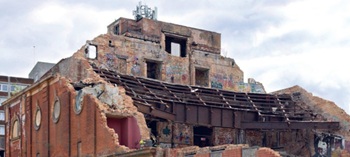
An historic building left to decay.

ECA, JIB and JTL back Fabian Society call to invest in skills for a stronger built environment workforce.

Women's Contributions to the Built Environment.
Calls for the delayed Circular Economy Strategy

Over 50 leading businesses, trade associations and professional bodies, including CIAT, and UKGBC sign open letter.
The future workforce: culture change and skill

Under the spotlight at UK Construction Week London.
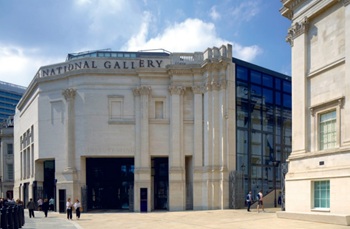
A landmark moment for postmodern heritage.
A safe energy transition – ECA launches a new Charter

Practical policy actions to speed up low carbon adoption while maintaining installation safety and competency.
Frank Duffy: Researcher and Practitioner

Reflections on achievements and relevance to the wider research and practice communities.
The 2026 Compliance Landscape: Fire doors

Why 'Business as Usual' is a Liability.
Cutting construction carbon footprint by caring for soil
Is construction neglecting one of the planet’s most powerful carbon stores and one of our greatest natural climate allies.
ARCHITECTURE: How's it progressing?
Archiblogger posing questions of a historical and contextual nature.
The roofscape of Hampstead Garden Suburb

Residents, architects and roofers need to understand detailing.
Homes, landlords. tenants and the new housing standards

What will it all mean?