





Uplift force
An uplift force is any upward pressure applied to a structure that has the potential to raise it relative to its surroundings. Uplift forces can be a consequence of pressure from the ground below, wind, surface water, and so on.
Water pressure can exert an uplift force on a structure due to high rainfall, for example by causing clay soils to expand. This can be problematic if the upward forces are greater than the forces being exerted downwards by the structure. To overcome this risk, the structure must be appropriately designed to provide greater resistance against uplift forces, and also a drainage system to relieve the water pressure.
For more information, see Ground heave.
All roofs are subject to wind uplift, which will vary according to location, terrain, height, size, shape, exposure and so on. Wind uplift occurs when the air pressure under the roof is greater than the air pressure above it. This can be exacerbated during high wind, as air infiltration into the building can increase pressure below the roof, whilst the speed of wind over the roof surface can reduce air pressure above it, in much the same way it does over an aircraft wing. This can cause damage to the roof if the difference in pressure becomes too great.
'BS EN 1991-1-4:2005+A1:2010 Eurocode 1. Actions on structures. General actions. Wind actions' defines the methodology for calculating likely wind loads which then allow a roofing system to be appropriately designed.
[edit] Related articles on Designing Buildings Wiki
- Bearing capacity.
- Floor loading.
- Ground heave.
- Hurricane design considerations.
- Lateral loads.
- Limit state design.
- Moment.
- Racking.
- Roofing defects.
- Settlement of buildings.
- Subsidence.
- The design of temporary structures and wind adjacent to tall buildings.
- Types of structural load.
- Uniformly Distributed Load.
- Vibrations.
- Wind comfort simulations.
- Wind load.
Featured articles
Check out some of the best features and news from Designing Buildings as well as key stories from around the web.

A quick introduction.
CLC publishes Mental Health Joint Code of Practice.
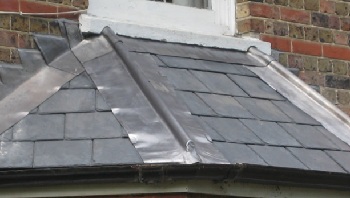
A quick introduction to its uses and risks.
Construction Management, 17 June

Government rolls out digital planning tool to all local authorities.

Your views needed - a strategy for the professions, trades and occupations.

Confronting competency, codes, capacity and costs.

The hidden risk in modern construction supply chains.
Construction Management, 10 June

24 months to 14: CITB launches accelerated apprenticeships.
Bridging the gap between clients and contractors

Concerns remain around contractor quality, capability, and delivery.
Construction Management, 10 June.

Heat pumps beat boilers in new home tests.
Building Safety Act implementation in Wales

CIAT to host industry panel on 26 June.