






Types of Solar Panels: Monocrystalline vs. Polycrystalline vs. Bifacial
Whenever we sit down with business owners who’re exploring solar, one question always pops up: “Which type of solar panel should we go for?” And honestly, it’s a good question. Because the panel you choose isn’t just about saving money — it’s about long-term efficiency, aesthetics, and return on investment.
At Sun Photonics, we usually simplify the choice into three main categories: Monocrystalline, Polycrystalline, and Bifacial. Let’s break them down in plain language.
Monocrystalline (Mono)
These are the sleek, black panels you often see on premium rooftops, were they don’t have a lot of roof space but want maximum efficiency. Because they’re cut from a single crystal structure, their efficiency is higher — meaning you get more power from less space. Yes, they’re slightly more expensive, but the performance payoff is worth it for industries that need reliability.
Polycrystalline (Poly)
Poly panels are the more budget-friendly cousin. They’re made from multiple silicon fragments melted together, so they have a bluish look and slightly lower efficiency. But here’s the catch — if your business has a big rooftop or unused shed space, these can be a smart choice. They deliver solid performance while keeping your solar panel cost lower upfront.
Bifacial Panels
Now, this is where solar gets exciting. Bifacial panels can absorb sunlight from both sides — the front and the back. That means if you’ve got ground-mounted systems, raised rooftops, or reflective surfaces nearby, your energy output goes up significantly. These are a game-changer for solar panels for industries that need to maximise every unit of electricity for large-scale operations.
So, which one’s the best?
Honestly, there’s no one-size-fits-all. It depends on your roof, budget, and power needs. But if you look at the trend in industrial projects across India, the sweet spot right now is Mono PERC panels. They balance efficiency and cost beautifully, making them the preferred choice for most commercial and industrial solar installations.
At Sun Photonics, we don’t just push a specific panel type, we evaluate your site conditions, load profile, and financial goals before recommending the right solution. Sometimes it’s mono, sometimes poly, sometimes bifacial — but the goal is always to maximise your ROI.
One last thought. Don’t just look at the sticker price. Sure, the solar panel cost matters, but what really counts is the lifetime savings on electricity bills, reduced carbon footprint, and the reliability of your system over 25 years.
So, if you’re still debating, here’s my advice: talk to an expert, run the numbers, and think long-term. Because the right solar choice today will keep your business powered for decades.
Featured articles and news
Costs and insolvencies mount for SMEs, despite growth
Construction sector under insolvency and wage bill pressure in part linked to National Insurance, says report.
The place for vitrified clay pipes in modern infrastructure
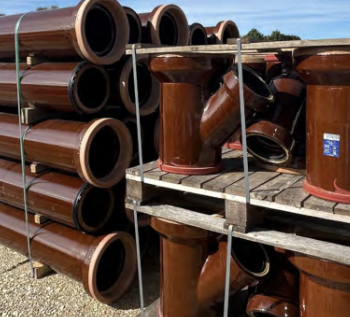
Why vitrified clay pipes are reclaiming their role in built projects.
Research by construction PR consultancy LMC published.
Roles and responsibilities of domestic clients

ACA Safety in Construction guide for domestic clients.
Fire door compliance in UK commercial buildings

Architect and manufacturer gives their low down.
Plumbing and heating for sustainability in new properties
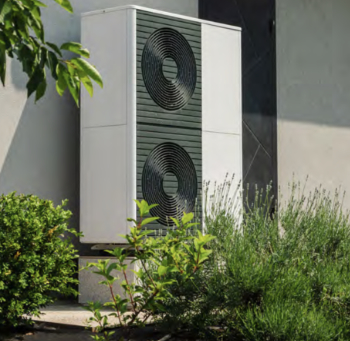
Technical Engineer runs through changes in regulations, innovations in materials, and product systems.
Awareness of the Carbon Border Adjustment Mechanism
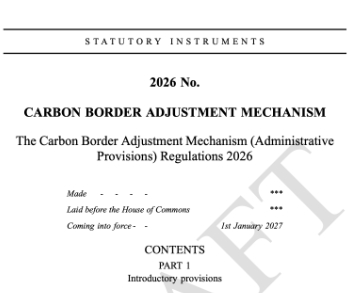
What CBAM is and what to do about it.
The new towns and strategic environmental assessments
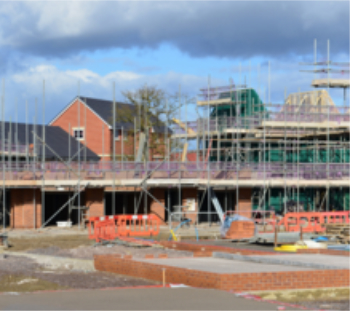
12 locations of the New Towns Taskforce reduced to 7 within the new towns draft programme and open consultation.
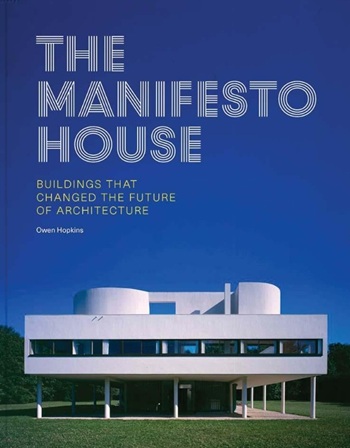
Buildings that changed the future of architecture. Book review.
The Sustainability Pathfinder© Handbook
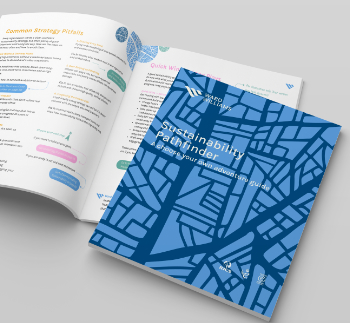
Built environment agency launches free Pathfinder© tool to help businesses progress sustainability strategies.

Government outcome to the late payment consultation, ECA reacts.
IHBC 2025 Gus Astley Student Award winners
Work on the role of hewing in UK historic conservation a win for Jack Parker of Oxford Brookes University.
Future Homes Building Standards and plug-in solar
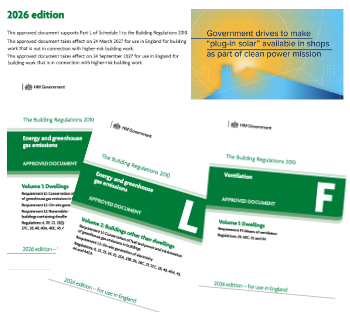
Parts F and L amendments, the availability of solar panels and industry responses.
How later living housing can help solve the housing crisis
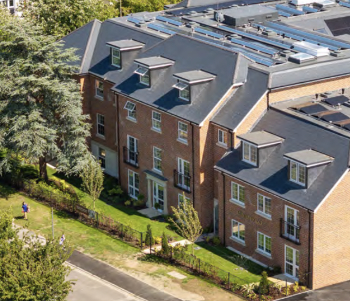
Unlocking homes, unlocking lives.
Preparing safety case reports for HRBs under the BSA
A new practical guide to preparing structural inputs for safety cases and safety case reports published by IStructE.
Male construction workers and prostate cancer

CIOB and Prostate Cancer UK encourage awareness of prostate cancer risks, and what to do about it.