





Types of lock
A lock is a mechanism used for security purposes, such as preventing a door from being opened. The provision of suitable locks can be an important prerequisite for being able to insure a property.
Types of lock mechanism include:
- Warded lock: A set of wards (obstructions) that cannot be opened unless a key with notches corresponding to the wards is inserted.
- Pin tumbler lock: A set of pins that prevent opening unless a key with the correct bittings (teeth and notches) is inserted.
- Wafer tumbler lock: A similar mechanism to a pin tumbler except each wafer is a single piece, unlike a pin which is two or more pieces.
- Disc tumbler lock: A particularly secure lock that consists of slotted rotating detainer discs.
- Lever tumbler lock: A set of levers that prevent a bolt from moving in the lock.
- Electronic lock: Uses an electric current and is typically connected to an access control system. Examples include a keycard lock (opened using a keycard) and a smart lock (opened using a cryptographic key and wireless protocol).
There are many different types of door lock, including:
- Mortice deadlocks: Typically found on external doors.
- Nightlatches: Also known as secondary locks, that can either be standard (locks automatically unless the latch is held back), or deadlocked (locks automatically and requires a key inside and outside).
- Multi-point locking systems: A minimum of three locking points that bolt the door into the frame.
- Knob locks: The lock cylinder is inside the knob rather than the door. Typically found on internal doors.
- Lever handle locks: The lock cylinder is inside the handle rather than the door. This is typically easier to open than a knob lock.
- Patio door locks: Can either be fitted to the central rail where patio doors overlap, or top and bottom, or rim-locks that bolt the door into the frame.
- Padlocks: These are locks which are detached from anything else, typically used for outbuildings, gates, etc. They can be either combination locked (with number dials) or key locked, and can be open or closed shackle.
[edit] Related articles on Designing Buildings
- Access control.
- CCTV.
- Commercial security systems.
- Digital door lock market.
- Doors.
- Entry control.
- External doors.
- Hinge.
- Home security solutions market.
- How door locks work.
- Mortice lock.
- Mortise vs mortice.
- Outbuildings security.
- Perimeter security.
- Security and the built environment.
- Security glazing.
- Sneck.
- Types of alarm.
- Types of door.
Featured articles
Check out some of the best features and news from Designing Buildings as well as key stories from around the web.
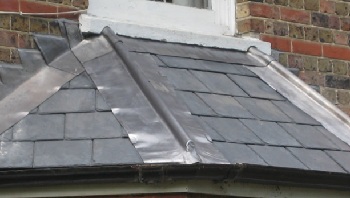
A quick introduction to its uses and risks.
Construction Management, 17 June

Government rolls out digital planning tool to all local authorities.

Your views needed - a strategy for the professions, trades and occupations.

Confronting competency, codes, capacity and costs.

The hidden risk in modern construction supply chains.
Construction Management, 10 June

24 months to 14: CITB launches accelerated apprenticeships.
Bridging the gap between clients and contractors

Concerns remain around contractor quality, capability, and delivery.
Construction Management, 10 June.
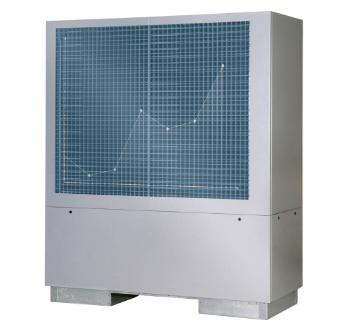
Heat pumps beat boilers in new home tests.
Building Safety Act implementation in Wales

CIAT to host industry panel on 26 June.
New and updated CLC building safety guidance.
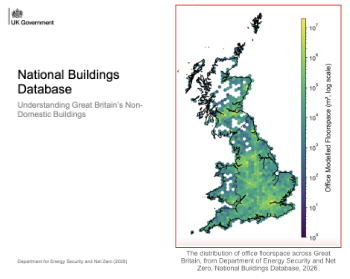
New UK National Buildings Database.