





Trench box
A trench is an excavation, the length of which greatly exceeds its depth. Shallow trenches are usually considered to be less than 6 m deep and deep trenches greater than 6 m. Trenches are commonly required to allow services, pipelines or foundations to be laid.
Over short periods of time, for relatively shallow depths most soil types will stand almost vertically without difficulty. However, trenches other than those which are relatively shallow may require support.
A trench box is a temporary retaining structure which allows the sides of the trench to be cut vertically or near-vertically. Trench boxes are suitable for low-risk situations in stable, dry ground, often when other solutions, e.g. piling, would be inappropriate.
Trench boxes are typically made from steel or aluminium and are two-sided, supporting both sides of an excavation, separated by spreaders. They require at least two separating struts per panel for stability.
Trench boxes can be placed in pre-excavated trenches or installed using a ‘dig and push’ technique. This involves pushing them into the ground as the excavation proceeds with an excavator removing soil from between the panels, while ensuring that the sides of the trench are supported at all times. The trench width must be sufficient to accommodate what is being laid in the trench, the width of the excavator bucket, and the thickness of the box panels.
[edit] Related articles on Designing Buildings Wiki
Featured articles
Check out some of the best features and news from Designing Buildings as well as key stories from around the web.
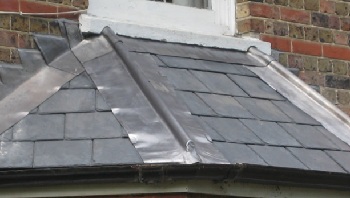
A quick introduction to its uses and risks.
Construction Management, 17 June

Government rolls out digital planning tool to all local authorities.

Your views needed - a strategy for the professions, trades and occupations.

Confronting competency, codes, capacity and costs.

The hidden risk in modern construction supply chains.
Construction Management, 10 June

24 months to 14: CITB launches accelerated apprenticeships.
Bridging the gap between clients and contractors

Concerns remain around contractor quality, capability, and delivery.
Construction Management, 10 June.
Heat pumps beat boilers in new home tests.
Building Safety Act implementation in Wales

CIAT to host industry panel on 26 June.
New and updated CLC building safety guidance.
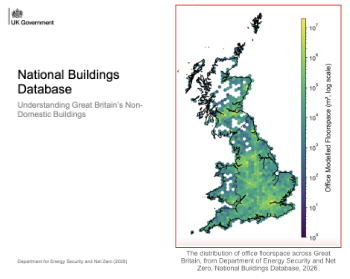
New UK National Buildings Database.