





Transom

Transoms are members that form horizontal divisions between units of a window, door, screen or glass curtain wall. Together with vertical members known as mullions they provide rigid support to glazing.
The smaller window above a door or window can also be known as a transom window. A transom window can be fixed or operational.
Transoms mechanisms can include:
- Bottom-hinged transoms with latches and chains that require a pole to pull the latch open.
- Side-hinged transoms that open like doors.
- Top-hinged transoms with fixed lifts that can be hand-operated.
- Automated opening mechanisms.
The purpose of a transom window can be to provide ventilation or additional light. Larger transoms windows are sometimes designed to provide the illusion of door height, without the need to produce extra-large door sizes especially, in higher ceiling areas. Transom windows can also be decorative and ornate.
Historically, transom windows were popular as an architectural feature, with stained-glass, decorative details or art deco styling. Modern transoms windows are commonly made from materials such as timber, aluminium, steel and UPVC.
Transom windows can be formed and installed in many different shapes. It is popular in Mediterranean style architecture to have fan-shaped transoms. Transoms can range from rectangular to circular and asymmetrical shapes.
In door frames with transom windows, the transom can provide similar structural properties as a lintel. It can provide strength and support to both the door and window frame.
[edit] Related articles on Designing Buildings Wiki
Featured articles
Check out some of the best features and news from Designing Buildings as well as key stories from around the web.
Cut electricity bills to power growth

Coalition sends joint letter to the Chancellor.

Gasholders: a history in pictures. Book review.
Recognition, influence and growth

SocEnv identifies three strategic pillars in new strategy to 2045.
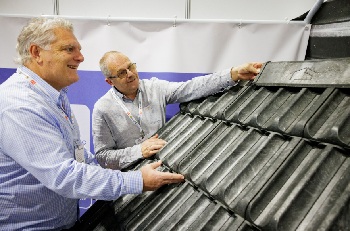
Discover the future of roofing, cladding and insulation.

New guidance for professional practice, cultural change and regulation in social housing.
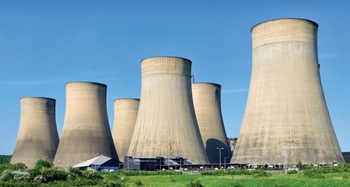
The heritage of nuclear and conventional power stations.
New measures to stop people being ripped off

Government to protect families from cowboy builders and aggressive bailiffs.
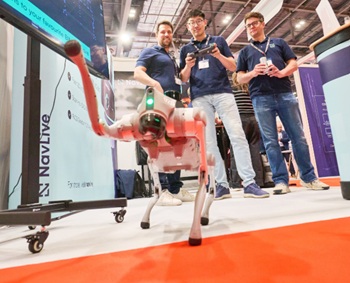
New Futurebuild showcase brings an innovation-first approach.
National Planning Policy Framework
Understanding the 2026 changes.
ECA's public affairs priorities

Member consultation opens to shape priorities for 2027 to 2030.

Dutyholder responsibilities from 1 July 2026.
Where performance meets practice

The Building Envelope Stage at UKCW Birmingham.