





Transition time
Transition time (sometimes called dead time) is the wasted time between activities or events during which nothing has been planned or can take place. An example would be the spare time between appointments, waiting for latecomers to arrive before a meeting can begin, waiting for the next steel member to be craned to the appropriate position before frame assembly can resume, or waiting for the next paper to be given at a conference.
Transition time may be too short to be used effectively, which can result in people hanging around, waiting for a critical event to happen before the main activities can be resumed. But it can often be useful for completing minor tasks which, if left unattended, can pile up.
Depending on the activity, it may be possible to make effective use of transition time, e.g writing emails on the train to work or listening to management podcasts while driving. Typically, if transition time slots last around 10 or 15 minutes, they can offer the opportunity to save time elsewhere by completing tasks such as writing letters and memos, proofreading pages, recording ideas, reading and sending emails and planning next week’s activity schedule.
Making constructive use of transition time can form part of an ongoing time management strategy. For instance, it may be possible to identify upcoming transition time in advance and plan on how it may be used effectively. Some time management textbooks advise keeping a transition-time folder to be used when dead time arises.
[edit] Related articles on Designing Buildings Wiki
Featured articles and news
Costs and insolvencies mount for SMEs, despite growth

Construction sector under insolvency and wage bill pressure in part linked to National Insurance, says report.
The place for vitrified clay pipes in modern infrastructure
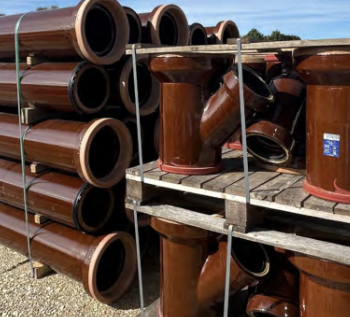
Why vitrified clay pipes are reclaiming their role in built projects.

Research by construction PR consultancy LMC published.
Roles and responsibilities of domestic clients
ACA Safety in Construction guide for domestic clients.
Fire door compliance in UK commercial buildings

Architect and manufacturer gives their low down.
Plumbing and heating for sustainability in new properties

Technical Engineer runs through changes in regulations, innovations in materials, and product systems.
Awareness of the Carbon Border Adjustment Mechanism
What CBAM is and what to do about it.
The new towns and strategic environmental assessments
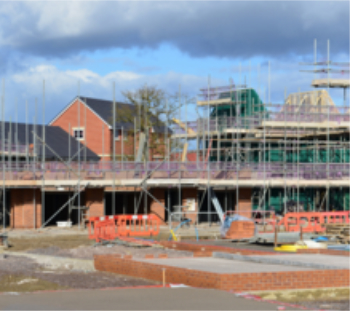
12 locations of the New Towns Taskforce reduced to 7 within the new towns draft programme and open consultation.
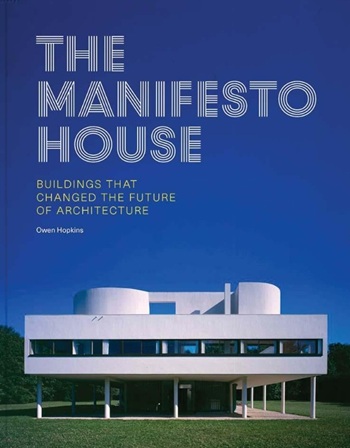
Buildings that changed the future of architecture. Book review.
The Sustainability Pathfinder© Handbook
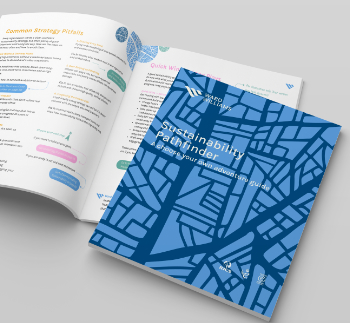
Built environment agency launches free Pathfinder© tool to help businesses progress sustainability strategies.

Government outcome to the late payment consultation, ECA reacts.
IHBC 2025 Gus Astley Student Award winners

Work on the role of hewing in UK historic conservation a win for Jack Parker of Oxford Brookes University.
Future Homes Building Standards and plug-in solar
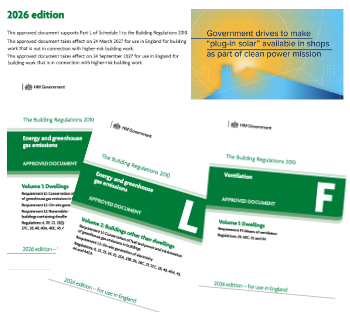
Parts F and L amendments, the availability of solar panels and industry responses.
How later living housing can help solve the housing crisis
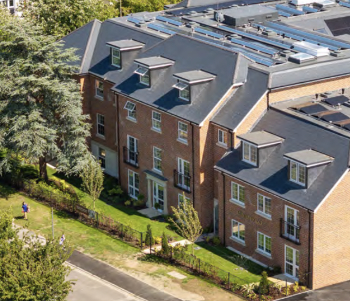
Unlocking homes, unlocking lives.
Preparing safety case reports for HRBs under the BSA
A new practical guide to preparing structural inputs for safety cases and safety case reports published by IStructE.
Male construction workers and prostate cancer

CIOB and Prostate Cancer UK encourage awareness of prostate cancer risks, and what to do about it.