





The use of adobe in construction
Adobe is a material used for building that is made of organic materials such as earth, clay, straw, and so on. In Spanish, ‘adobe’ translates as ‘mudbrick’, and buildings that are constructed from adobe have a similar appearance to cob or rammed earth buildings.
Adobe bricks are traditionally made in open cast moulds and left to sun-dry rather than being kiln-fired. They are laid using an earth mortar and smoothed down when the wall is finished before a clay render is usually applied as a surface coating. This production process, as well as the nature of clay, means that adobe bricks have advantageous water resistance. However, buildings that are exposed to a lot of wet conditions should be provided with eaves to protect the walls.
Adobe bricks have similar properties to other forms of earth construction – fire-resistant, flexible, durable, provide sufficient thermal mass to ensure good energy efficiency, and good sound insulation.
[edit] Related articles on Designing Buildings
- Arup and Better Shelter at the Working Together For Disaster Relief conference.
- Brick.
- Brick wall.
- Clay.
- Cob building.
- Construction materials.
- Daub.
- Earth building.
- Earthen construction.
- Green building.
- Hempcrete.
- Mud brick in Iran.
- Practical Building Conservation: Earth, Brick and Terracotta.
- Rammed earth.
- Recyclable construction materials.
- Shelter.
- Straw bale construction.
- Unfired clay masonry: An introduction to low-impact building materials.
- Vernacular earthen architecture.
Featured articles
Check out some of the best features and news from Designing Buildings as well as key stories from around the web.
Bridging the gap between clients and contractors

Concerns remain around contractor quality, capability, and delivery.
Construction Management, 10 June.

Heat pumps beat boilers in new home tests.
Building Safety Act implementation in Wales
CIAT to host industry panel on 26 June.
New and updated CLC building safety guidance.
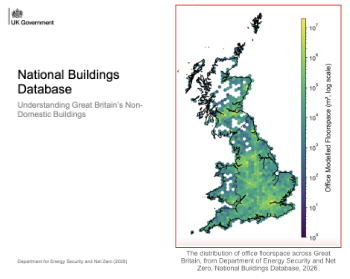
New UK National Buildings Database.
Building Safety Wiki Interviews

Chief executive of the British Woodworking Federation.
Planning condition discharge in England and Wales

A brief explanation from a building compliance expert, with further links.
Overheating guidance and tools for building designers

Guidance for dealing with element of building fabric control that have increasing importance.
Shading for housing, a design guide

From the Good Homes Alliance and British Blind and Shutter Association.
UK Standard Skills Classification (SSC)

A shared framework for describing skills needs.
Social media ban consultation comes to close

CIOB urges UK Government to consider social media’s role in careers guidance in ban debate.
Comments
Just FYI, adobe is not a Spanish word. It comes from Arabic and was incorporated into the Spanish language.