





The Properties of Padauk Wood

Contents |
Introduction
Originating from Asia or Africa, padauk wood can be obtained from a wide variety of Pterocarpus species. Commonly referred to as narra or mukwa, padauk wood is a valuable resource due to its durability, strength, and stability when being worked. Its reddish colour is quite distinguishable, although often confused with rosewoods – a wood that is somewhat related to padauk.
African Padauk
Extremely common, African padauk is also called Vermilion due to its reddish colour. Its heartwood can be a pale orange or a deep brown-red colour, with the wood darkening after being cut. With a typically straight grain, African padauk’s texture is open and coarse, with a natural lustre.
Resistant to termites and other insects, African padauk is a very durable wood with exceptional rot resistance. Very easy to work with, it finishes, glues, and turns very well. Some care must be taken due to the possibility of tearouts occurring during planing on both interlocked or quartersawn grains.
Although having a unique red coloration, this darkens over time even with UV-inhibiting finishes to prolong its natural colour. However, African padauk’s strength, stability, and durability make it a very popular wood amongst woodworkers.
With a pleasant scent when being worked, this wood can be utilised for furniture, turned objects, veneer, musical instruments, and other wood objects.
Burma Padauk
With a lighter hue than African padauk, Burma padauk wood has a more yellow-red heartwood with the wood turning golden brown with age. Burma padauk also has a yellow sapwood that is clearly defined from the heartwood.
Burma padauk has a higher density than its counterpart African padauk, and its interlocked grains make it more difficult to work with. It does, however, finish, turn, and glue well, having a light aromatic scent when being worked.
Very durable to rot, termites, and insects, Burma padauk has indistinct growth rings and large pores that are not arranged in any specific form. Considered a sensitiser, Burma padauk can cause respiratory, eye, or skin problems, although severe allergic reactions are rare.
Andaman Padauk
Andaman padauk has interlocked grains with open pores and a coarse texture. It is a wood with pale orange to deep brown-red colouring. Similar to both African and Burma padauk, Andaman padauk darkens in colour after being cut to a purple-red-brown.
Durable and resistant to decay, this wood also has good resistance to insects and termites. Easy to work with, Andaman padauk glues, finishes, and turns well, with a slight chance of tearout occurring while planing on both interlocked or quarterswan.
It is capable of causing skin, eye, and respiratory irritation, but rarely causes severe reactions. This wood is usually more on the mid to upper range in relation to imported wood, as it is presently rarely available due to being almost depleted.
With a light aromatic scent when worked, Andaman padauk is utilised for flooring, veneer, tool handles, furniture, musical instruments, and other small objects.
--G&S Specialist Timber 15:51, 12 May 2017 (BST)
Find out more
Related articles on Designing Buildings Wiki
- 11 things you didn't know about wood.
- Ancient Woodland.
- Chip carving.
- Confederation of Timber Industries.
- Cross-laminated timber.
- Definition of tree for planning purposes.
- Engineered bamboo.
- European Union Timber Regulation.
- Forest Stewardship Council.
- Glulam.
- Laminated veneer lumber LVL.
- Oak wood properties.
- Pine wood.
- Plywood.
- Programme for the Endorsement of Forest Certification.
- Properties of mahogany.
- Timber.
- Timber preservation.
- Tree preservation order.
- Tree rights.
- Types of timber.
- Walnut.
Featured articles and news
Costs and insolvencies mount for SMEs, despite growth
Construction sector under insolvency and wage bill pressure in part linked to National Insurance, says report.
The place for vitrified clay pipes in modern infrastructure
Why vitrified clay pipes are reclaiming their role in built projects.

Research by construction PR consultancy LMC published.
Roles and responsibilities of domestic clients

ACA Safety in Construction guide for domestic clients.
Fire door compliance in UK commercial buildings

Architect and manufacturer gives their low down.
Plumbing and heating for sustainability in new properties
Technical Engineer runs through changes in regulations, innovations in materials, and product systems.
Awareness of the Carbon Border Adjustment Mechanism
What CBAM is and what to do about it.
The new towns and strategic environmental assessments
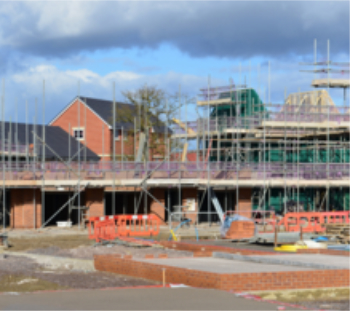
12 locations of the New Towns Taskforce reduced to 7 within the new towns draft programme and open consultation.
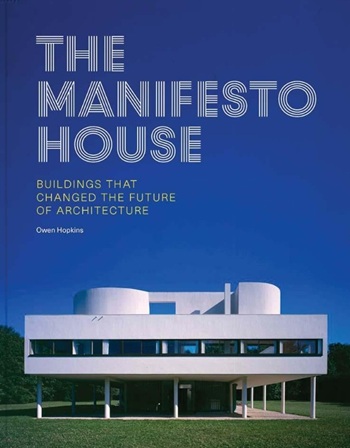
Buildings that changed the future of architecture. Book review.
The Sustainability Pathfinder© Handbook
Built environment agency launches free Pathfinder© tool to help businesses progress sustainability strategies.

Government outcome to the late payment consultation, ECA reacts.
IHBC 2025 Gus Astley Student Award winners

Work on the role of hewing in UK historic conservation a win for Jack Parker of Oxford Brookes University.
Future Homes Building Standards and plug-in solar
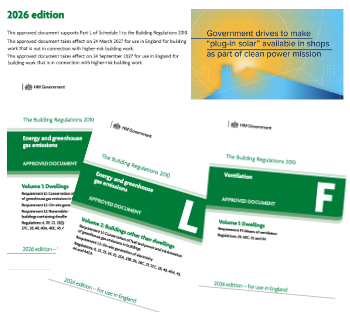
Parts F and L amendments, the availability of solar panels and industry responses.
How later living housing can help solve the housing crisis
Unlocking homes, unlocking lives.
Preparing safety case reports for HRBs under the BSA

A new practical guide to preparing structural inputs for safety cases and safety case reports published by IStructE.
Male construction workers and prostate cancer

CIOB and Prostate Cancer UK encourage awareness of prostate cancer risks, and what to do about it.