





Heating ventilation air conditioning and refrigeration
HVACR refers to Heating, Ventilation, Air Conditioning, and Refrigeration, that is, the technology, systems, and processes used for maintaining indoor air quality and thermal comfort in buildings providing cooling refrigeration.
The terms HVAC and HVACR are closely related and are often used interchangeably. However, HVAC refers to Heating, Ventilation, and Air Conditioning systems which typically do not include refrigeration components for preserving perishable items such as food as well as some industrial processes.
For more information see: HVAC.
Here are some common examples of how HVACR is used in buildings:
- In cold weather, HVACR systems provide heating to keep indoor spaces warm and comfortable. This is generally achieved by distributing warm air or water throughout a building. For more information see: Heating.
- In warm weather, or for buildings that generate a lot of heat, HVACR systems provide cooling to keep indoor spaces cool and comfortable. For more information see: Cooling.
- HVACR systems also help to circulate and exchange air within a building, which can improve indoor air quality and reduce the spread of airborne contaminants. For more information see: Ventilation.
- HVACR systems can also help to regulate indoor humidity levels, which can affect the comfort and health of occupants. This can be done using dehumidifiers, humidifiers, or other types of humidity control equipment. For more information see: Air conditioning.
- HVACR systems are also used in buildings to provide refrigeration for food storage and preservation as well as some industrial processes. This can be done using refrigerators, freezers, and other types of cooling equipment. For more information see: Refrigeration.
Proper design, installation, maintenance, and operation of HVACR systems is critical for ensuring optimal performance, comfort and energy efficiency.
The future of HVACR is likely to be shaped by technological advancements, energy efficiency goals, greater emphasis on occupant health and safety and evolving industry standards and regulations:
- Smart HVACR systems are expected to become more prevalent as advances in sensors, controls, and connectivity make it easier to monitor and optimise HVACR performance in real-time. Smart HVACR systems can also help to reduce energy consumption and costs by adjusting settings based on occupancy patterns, weather conditions, and other factors.
- As the world continues to focus on reducing greenhouse gas emissions and combatting climate change, HVACR systems are expected to become more energy-efficient and environmentally friendly. This may involve the use of alternative refrigerants, more efficient heating and cooling technologies, improved insulation and reduced air infiltration.
- HVACR systems are likely to become more integrated with renewable energy sources, this can help to reduce energy costs and carbon emissions while providing more sustainable heating and cooling.
- The COVID-19 pandemic has highlighted the importance of indoor air quality in maintaining occupant health and safety. HVACR systems are expected to play a key role in improving indoor air quality by providing better ventilation, filtration, and humidity control.
[edit] Related articles on Designing Buildings
- Air conditioning.
- Air handling unit.
- Building management systems.
- Building services
- Cooling.
- Dehumidification.
- Heat recovery.
- Heating.
- Humidity.
- Mechanical, electrical and plumbing MEP.
- Mechanical ventilation.
- Natural ventilation.
- Plant room.
- Smart connected HVAC market.
- Thermal comfort.
- Ventilation.
- HVAC.
- Refrigeration.
Featured articles
Check out some of the best features and news from Designing Buildings as well as key stories from around the web.

Guidance for conversion of traditional pre-1919 stone buildings.
Industrial heritage in the Ruhr
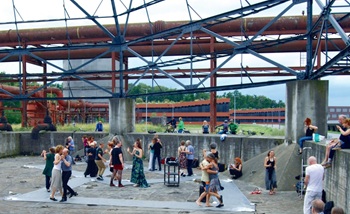
A marked difference to the fate of industrial landscapes in the UK.
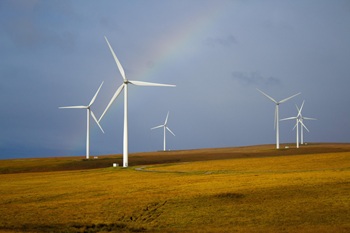
Communities will be able to build their own clean energy.
Why diversity and inclusion matters for SMEs

CIOB’s D&I Charter shows how practical changes can support long-term growth.
Cut electricity bills to power growth

Coalition sends joint letter to the Chancellor.

Gasholders: a history in pictures. Book review.
Recognition, influence and growth

SocEnv identifies three strategic pillars in new strategy to 2045.
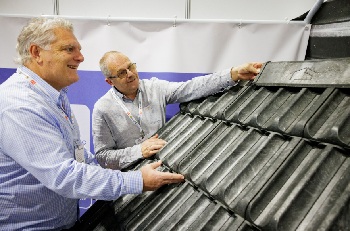
Discover the future of roofing, cladding and insulation.

New guidance for professional practice, cultural change and regulation in social housing.
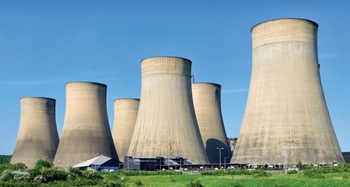
The heritage of nuclear and conventional power stations.
New measures to stop people being ripped off

Government to protect families from cowboy builders and aggressive bailiffs.
New Futurebuild showcase brings an innovation-first approach.
Comments
[edit] To make a comment about this article, or to suggest changes, click 'Add a comment' above. Separate your comments from any existing comments by inserting a horizontal line.