





Biophilic
Biophilic design interprets and reacts to the philosophy of biophilia, which describes the tendency of humans to want to be near or interact with the natural environment. It is an approach used in building design, material selection, interior design as well as urban planning. More recently these kinds of projects have also been referred to as nature based solutions and green blue solutions.
Biophilic design bears a relationship to, but differs from other related fields:
- Biomimicry is design that takes its inspiration from nature, in particular emulating natural solutions from an engineering perspective at all scales, it is the application of recognised biological concepts to fields that lie outside the discipline of biological science.
- Bio-inspired design or architecture is a broader term that considers a mimicking nature’s processes in terms of scientific understanding, in particular how things function, which may or may not impact form.
- Biomorphism relates much more to design solutions that resemble different elements from life and nature, visually.
- Bio-Design is a term more common to the field of medicine, via the implementation of inventions and interventions using biomedical technologies. Finally Bionic design or bionics is an interdisciplinary field that combines natural biological systems with modern technology looking at structures, methods and the processes of biological systems.
For more information see: Biophilic design.
[edit] Related articles on Designing Buildings
- Biodiversity in the urban environment.
- Biophilic design research.
- Biophilic design and sustainability.
- Biophilic design - health and wellbeing in buildings.
- Biophilic gym.
- Biophilic urbanism.
- Biotechnology.
- Combating burnout with biophilic design.
- Green roof.
- Green space.
- Green walls.
- Landscape urbanism.
- The biophilic office.
- 2019 Wellness and biophilia symposium.
Featured articles
Check out some of the best features and news from Designing Buildings as well as key stories from around the web.
Undervaluing our industrial past

Heritage value changes as taste for building styles changes.
Changing expectations around competence and compliance

New information sheet from CIAT.
Grenfell investigation files passed to CPS

Angela Rayner apologises on behalf of the British state.

Electrical contractors need to understand the practical implications.

The real barrier to getting more value from digital technology.

Your guide to The Construction Reset at UKCW Birmingham.

Accommodating the Victorian and Edwardian working woman. Book review.
Rethinking passive fire protection in design

PFP demands the same level of design rigour as structure or services.

38% of Gen Zs feel safe when a fire door is wedged open.
Stunning images from around the world
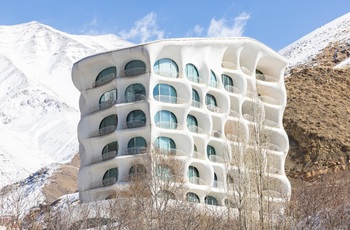
Shortlist for CIOB’s Art of Building photography competition.
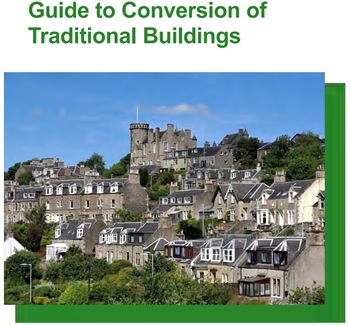
Guidance for conversion of traditional pre-1919 stone buildings.
Industrial heritage in the Ruhr
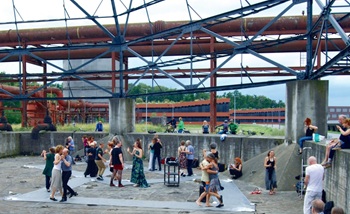
A marked difference to the fate of industrial landscapes in the UK.
Comments
[edit] To make a comment about this article, or to suggest changes, click 'Add a comment' above. Separate your comments from any existing comments by inserting a horizontal line.