





Site engineer
The term ‘engineer’ is a very broad one, covering a wide range of disciplines who use the sciences and mathematics to develop solutions for technical applications. Typically on a construction project, a structural engineer and building services engineer will be part of the core consultant team.
Site engineers perform a technical, organisational and supervisory role on construction sites. They may work as part of a group led by a section engineer, and their roles and responsibilities might include:
- Setting out, levelling and surveying the site.
- Checking the accuracy of plans, drawings and quantities.
- Assessing materials for suitability.
- Supervising and monitoring the site workforce.
- Overseeing quality control and health and safety.
- Planning day-to-day logistics for plant and site facilities.
- Resolving any technical difficulties.
- Liaising with subcontractors and workers.
- Liaising with the local authority, where appropriate, to ensure compliance with regulations.
- Maintaining contact with clients and their representatives through regular progress meetings.
- Preparing reports as required.
Site engineers tend to be educated to degree level, in a subject such as building engineering, civil engineering, building surveying, and so on.
Some of the skills that a site engineer should have include:
- Effective communication skills.
- Strong analytical and problem-solving abilities.
- Technical understanding.
- Accuracy and attention to detail.
- Ability to negotiate,
- project management skills.
- The ability to liaise with a wide range of stakeholders.
[edit] Find out more
[edit] Related articles on Designing Buildings Wiki
Featured articles
Check out some of the best features and news from Designing Buildings as well as key stories from around the web.
Construction Management, 24 June

FMB pilot aims to build pipeline of site-ready tradespeople.

A quick introduction.
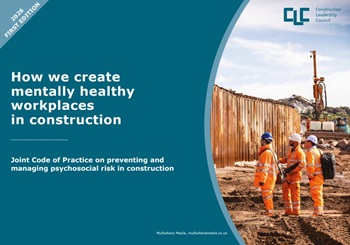
CLC publishes Mental Health Joint Code of Practice.

A quick introduction to its uses and risks.
Construction Management, 17 June

Government rolls out digital planning tool to all local authorities.

Your views needed - a strategy for the professions, trades and occupations.

Confronting competency, codes, capacity and costs.

The hidden risk in modern construction supply chains.
Construction Management, 10 June

24 months to 14: CITB launches accelerated apprenticeships.
Bridging the gap between clients and contractors

Concerns remain around contractor quality, capability, and delivery.
Construction Management, 10 June.

Heat pumps beat boilers in new home tests.