





Section 102 existing sewer adoption
See also: Section 102 of the Town and Country Planning Act 1990 enabling a notice to be issued ordering the discontinuing use, or alteration or removal of buildings or works.
Section 104 of the Water Industry Act 1991 provides a mechanism for newly-constructed private sewers and pumping stations to be ‘adopted’ by the local sewerage authority, who will then maintain them at their own expense.
However, sometimes sewers are not adopted when they are constructed. The most common reasons for this are that they have not been constructed to the required standards or that they are in inaccessible locations.
Section 102 of the Water Industry Act, allows the owners of existing private sewers and associated apparatus to apply for them to be ‘adopted’ by the local sewerage authority, who will then maintain them at their own expense.
Authorities may consider adopting private sewers if they are of a suitable construction, they form part of the general sewerage system for the area and they are accessible.
The applicant must first submit general information about the sewer to the authority, who will consider whether it may be appropriate for adoption. Further information is then submitted about the condition of the sewer, and it may then be necessary to carry out remedial works to bring it up to an adoptable standard, as set out in ‘Sewers for Adoption – a Design and Construction Guide for Developers’. An application fee is payable and any direct or associated costs must be met by the applicant.
There is then a statutory 2 month period for objection to the adoption, after which, the sewer may be adopted as a public sewer.
[edit] Related articles on Designing Buildings Wiki
- Drainage.
- French drain.
- Groundwater control in urban areas.
- Highway drainage.
- Planning for floods.
- Private sewer.
- Public sewer.
- Rainwater harvesting.
- Safe working in drains and sewers.
- Section 102 (the discontinuing use, or alteration or removal of buildings or works).
- Section 104.
- Septic tank.
- Sewer construction.
- Sewerage.
- Soakaway.
- Soil vent pipe.
- Sustainable urban drainage systems SUDS.
- Water engineering.
- Water transfers and interconnections.
Featured articles and news
Costs and insolvencies mount for SMEs, despite growth

Construction sector under insolvency and wage bill pressure in part linked to National Insurance, says report.
The place for vitrified clay pipes in modern infrastructure
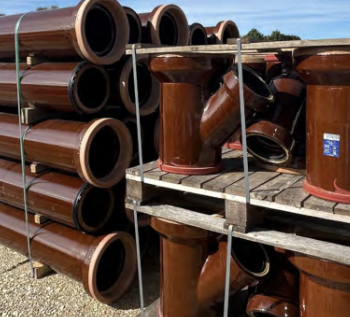
Why vitrified clay pipes are reclaiming their role in built projects.

Research by construction PR consultancy LMC published.
Roles and responsibilities of domestic clients

ACA Safety in Construction guide for domestic clients.
Fire door compliance in UK commercial buildings

Architect and manufacturer gives their low down.
Plumbing and heating for sustainability in new properties
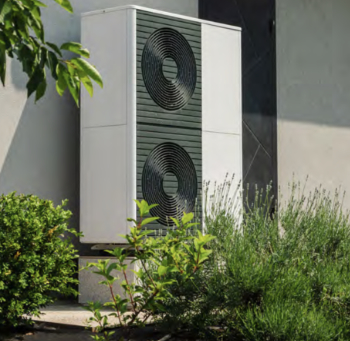
Technical Engineer runs through changes in regulations, innovations in materials, and product systems.
Awareness of the Carbon Border Adjustment Mechanism
What CBAM is and what to do about it.
The new towns and strategic environmental assessments
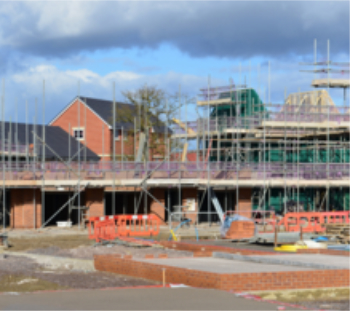
12 locations of the New Towns Taskforce reduced to 7 within the new towns draft programme and open consultation.

Buildings that changed the future of architecture. Book review.
The Sustainability Pathfinder© Handbook
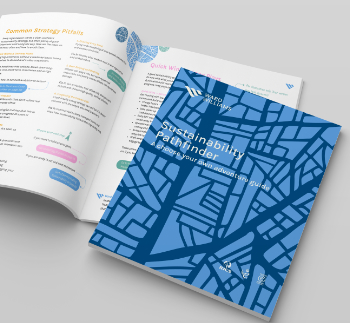
Built environment agency launches free Pathfinder© tool to help businesses progress sustainability strategies.
Government outcome to the late payment consultation, ECA reacts.
IHBC 2025 Gus Astley Student Award winners

Work on the role of hewing in UK historic conservation a win for Jack Parker of Oxford Brookes University.
Future Homes Building Standards and plug-in solar
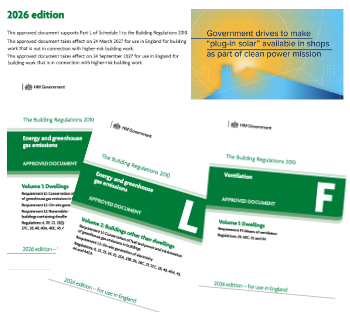
Parts F and L amendments, the availability of solar panels and industry responses.
How later living housing can help solve the housing crisis

Unlocking homes, unlocking lives.
Preparing safety case reports for HRBs under the BSA
A new practical guide to preparing structural inputs for safety cases and safety case reports published by IStructE.
Male construction workers and prostate cancer

CIOB and Prostate Cancer UK encourage awareness of prostate cancer risks, and what to do about it.