





R-value
Contents |
[edit] Introduction
R-values can refer to:
[edit] Thermal resistance
R-values are a measure of the thermal resistance of a material of a specific thickness, that is, its resistance to the transfer of heat across it. The higher the R-value of a material, the more effective it is as an insulator.
R-values can be used as part of a labelling system to enable comparison of the thermal performance of different materials, such as insulation, or as part of the calculation of heat transfer across the fabric of a building.
R-values can be calculated by dividing the thickness of a material (in metres) by its thermal conductivity (k-value or lambda value (λ) in W/mK). R-values are therefore expressed in m2K/W (or ft2·°F·hr/Btu in the USA). The overall R-value of a multi-layered element can be calculated by adding the R-values of its component materials.
R-values are sometimes described as being the reciprocal of U-values (sometimes referred to as heat transfer coefficients) which describe the thermal conductivity of a building element. However, unlike U-values, R-values do not include surface heat transfers at the boundary of the element by convection and radiation.
U-value = 1 / (the sum of the R-values of the layers of the element + the resistance of the internal and external surfaces of the element)
[edit] Indoor air quality
R-value is the: 'Sum of all Ri values. Ri is the ratio Ci or LCIi, where Ci is the mass concentration of the individual VOC i. in the air of the reference room, and LCIi is the LCI value of VOC i. The LCI value is the ‘Lowest Concentration of Interest’, which is the substance-specific value for health-related evaluation of the emission from construction products as agreed by the EU-LCI Working Group https://ec.europa.eu/growth/sectors/construction/eu-lci_en.'
Ref BREEAM UK New Construction, Non-domestic Buildings (United Kingdom), Technical Manual, SD5078: BREEAM UK New Construction 2018 3.0, published by BRE Global Limited
[edit] Related articles on Designing Buildings Wiki
Featured articles
Check out some of the best features and news from Designing Buildings as well as key stories from around the web.

38% of Gen Zs feel safe when a fire door is wedged open.
Stunning images from around the world
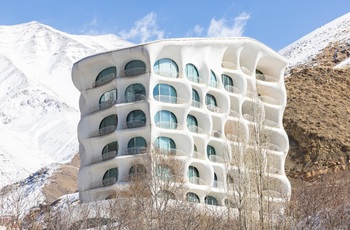
Shortlist for CIOB’s Art of Building photography competition.
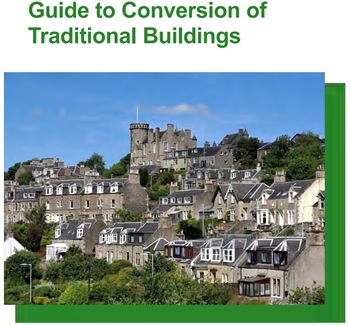
Guidance for conversion of traditional pre-1919 stone buildings.
Industrial heritage in the Ruhr

A marked difference to the fate of industrial landscapes in the UK.

Communities will be able to build their own clean energy.
Why diversity and inclusion matters for SMEs

CIOB’s D&I Charter shows how practical changes can support long-term growth.
Cut electricity bills to power growth

Coalition sends joint letter to the Chancellor.

Gasholders: a history in pictures. Book review.
Recognition, influence and growth

SocEnv identifies three strategic pillars in new strategy to 2045.
Discover the future of roofing, cladding and insulation.

New guidance for professional practice, cultural change and regulation in social housing.
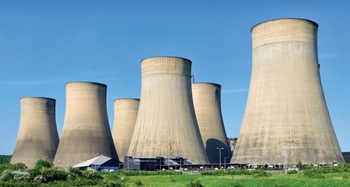
The heritage of nuclear and conventional power stations.