





Provision and Use of Work Equipment Regulations PUWER
The Provision and Use of Work Equipment Regulations (1988), commonly known as PUWER, place duties on people and companies who own, operate or have control over work equipment. Responsibilities are placed on businesses and organisations whose employees use work equipment, whether owned by them or not.
The regulation requires that equipment provided for use at work is:
- suitable for the intended use;
- safe for use, maintained in a safe condition and, in certain circumstances, inspected to ensure this remains the case;
- used only by people who have received adequate information, instruction and training; and
- accompanied by suitable safety measures, e.g. protective devices, markings, warnings.
- Any equipment used by employees at work is covered by these regulations.
The Regulations also encompasses mobile work equipment and the use power presses. Information about which can be found at the links below.
In addition to the requirement of PUWER, lifting equipment is subject to the requirements of the Lifting Operations and Lifting Equipment Regulations 1998 (LOLER).
For more informaton visist the UK government HSE website directly.
[edit] Related articles on Designing Buildings
Featured articles
Check out some of the best features and news from Designing Buildings as well as key stories from around the web.

A quick introduction.
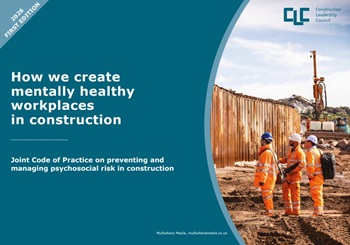
CLC publishes Mental Health Joint Code of Practice.
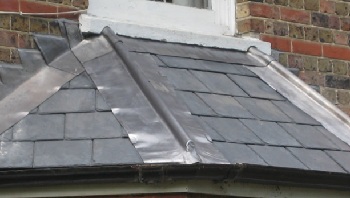
A quick introduction to its uses and risks.
Construction Management, 17 June

Government rolls out digital planning tool to all local authorities.

Your views needed - a strategy for the professions, trades and occupations.

Confronting competency, codes, capacity and costs.

The hidden risk in modern construction supply chains.
Construction Management, 10 June
24 months to 14: CITB launches accelerated apprenticeships.
Bridging the gap between clients and contractors

Concerns remain around contractor quality, capability, and delivery.
Construction Management, 10 June.
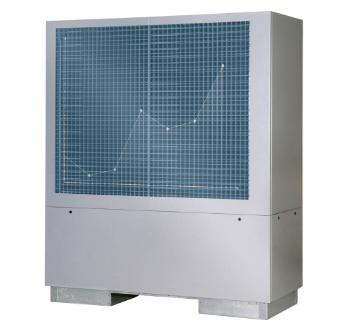
Heat pumps beat boilers in new home tests.
Building Safety Act implementation in Wales

CIAT to host industry panel on 26 June.