





Panic Exit Device
A Panic Exit Device is defined in the Code of practice: Hardware for fire and escape doors, Issue 5 (published by DHF and GAI in November 2024) as a 'An exit device conforming to BS EN 1125, operated by either a cross bar or touch bar on the inside of the door and for use where panic situations may be foreseen, such as areas accessed by the public, places of entertainment, etc.' See also Emergency Exit Device and GIA Glossary of architectural hardware terms.
The Guild of Architectural Ironmongers GAI Guides to Standards (No 5 July 2023) relating to British or European Standards refers directly to the BS EN 1125 definition of a panic exit device as 'an exit device conforming to EN 1125 intended to give safe and effective escape through a doorway with minimum effort and without prior knowledge of the panic exit device allowing safe escape in the event of the door being under pressure such as by people being pushed against the door in the direction of escape.” Further defined as “a device for unlocking a door during emergency conditions. The mechanism consists of a spring-loaded metal bar fixed horizontally to the inside of an outward-opening door. When the lever is either pushed or depressed, it activates a mechanism which unlatches the door allowing occupants to leave quickly from the building.”
BS EN 1125:2008 is the standard for 'Building hardware. Panic exit devices operated by a horizontal bar, for use on escape routes. Requirements and test methods' which is currently under review. The British standard BS 5725 Emergency exit devices. Specification for panic bolts and panic latches mechanically operated by a horizontal push-bar was published in July 1981, replaced by BS EN 1125 in December 1997 and BS EN 179 in January 2008, BS EN 1125 was withdrawn and replaced by the current version in March 2008.
[edit] Related articles on Designing Buildings
- Access control.
- Digital door lock market.
- Doors.
- Emergency Exit Device.
- Entry control.
- External doors..
- Fire Door Inspection Scheme.
- Fire door.
- Fire Doors (DG 524).
- Fire.
- Grenfell tower.
- Hinge.
- Home security solutions market.
- How door locks work.
- Installing fire doors and doorsets (GG 86).
- Intumescent strip.
- Mortice lock.
- Mortise vs mortice.
- Noise - doors and windows.
- Outbuildings security.
- Perimeter security.
- Protected door.
- Self-closing device.
- Security and the built environment.
- Security glazing.
- Smoke control door.
- Sneck.
- Types of alarm.
- Types of door
- Types of lock.
- Width of doors stairs and escape routes.
Featured articles
Check out some of the best features and news from Designing Buildings as well as key stories from around the web.

Your views needed - a strategy for the professions, trades and occupations.

Confronting competency, codes, capacity and costs.

The hidden risk in modern construction supply chains.
Construction Management, 10 June

24 months to 14: CITB launches accelerated apprenticeships.
Bridging the gap between clients and contractors

Concerns remain around contractor quality, capability, and delivery.
Construction Management, 10 June.
Heat pumps beat boilers in new home tests.
Building Safety Act implementation in Wales

CIAT to host industry panel on 26 June.

New and updated CLC building safety guidance.
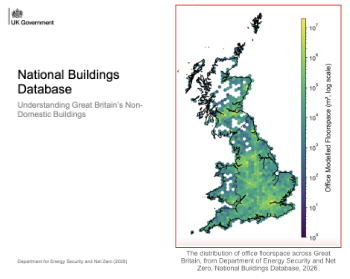
New UK National Buildings Database.
Building Safety Wiki Interviews

Chief executive of the British Woodworking Federation.
Planning condition discharge in England and Wales

A brief explanation from a building compliance expert, with further links.