




Ogee

|
An ogee is an S shape or double curve with a concave and convex curve joined. It is used in architecture to describe the motif on certain building features, but it might also be used to describe a facial feature of curvature in a cheek bone, similar to sculpted cheek bone or chiselled chin.
An ogee curve can be found on the underside of console brackets or consoles, these are decorative Greek stone supports for shelving, or plinths. The ogee curve also appears as an edging profile on worktops - granite or marble might have an ogee profile as the edge finish. The Ogee is also a common profile used in skirting boards as well as other interior mouldings
The use of the ogee shape in architecture has a close relationship to the gothic revival period as well as appearing in fabrics around the 12 Century. Ogee arches are probably one of the more recognisable uses of the ogee curve and can been seen in many gothic windows. The arch curves inward as normal until around half the height and then the curve mirrors to create a point or pinnacle at the top as a finish.
[edit] Related articles on Designing Buildings
Featured articles
Check out some of the best features and news from Designing Buildings as well as key stories from around the web.

The cost of employing people remains a concern.
Code of Practice for Electrical Energy Storage Systems.

ECA calls on members to comment on draft 4th edition.

Bringing together expertise and creating cultural benefits.

CIOB celebrates positive Ofsted report.

The Building Safety Regulator announces a call for evidence.

Government approach could undermine delivery and regeneration.
World's first mass timber data centre.
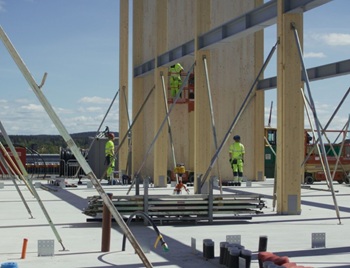
The overlooked environmental aspect of data centre development.
Introduction to radon awareness

New technical information sheet published by CIOB.

Updated supplier guide can help electrical contractors engage with NHP.

CIAT confirm the winners of the 2026 architectural technology awards.

Government launches a one stop shop for flood preparedness.
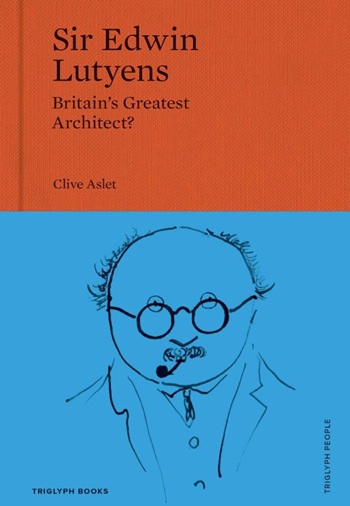
Sir Edwin Lutyens: Britain's greatest architect? Book review.