





Mason bee

Mason or masonry bees are named as such because unlike other bees they often nest in the crevices of stone or brickwork, sometimes using mud as a mortar to create nests.
These bees are solitary, non-aggressive pollinators playing vital role, like many bees in supporting ecosystems and agriculture. Unlike honeybees, mason bees they do not live in hives or produce honey. Instead, each female builds her own nest with mud used to seal individual brood chambers.
These bees often seek out small crevices and holes to create their nests, and stone or brickwork in buildings and garden walls offers ideal conditions. Cracks, gaps in mortar, or abandoned nail holes in masonry serve as perfect shelters. Inside these cavities, the female bee creates a series of chambers, each containing a pollen ball and a single egg. Once an egg is laid, she seals the chamber with a mud wall before continuing to the next.
Mason bees are particularly valuable in urban and suburban areas where natural nesting sites like hollow reeds or old wood may be scarce. For example see 660 species of bees live in newly shrunk national monument. Their willingness to adapt to human-made structures makes them both fascinating and beneficial to observe. Providing artificial nesting habitats, such as bee hotels near stone walls, can help support their populations while enhancing local pollination of gardens and crops.
[edit] Related articles on Designing Buildings
- Bees, hornets, and wasps.
- Bee brick.
- Biodiversity in building design and construction.
- Biodiversity in the urban environment.
- Brick.
- Building with structural stone.
- Cement mortar.
- Defects in brickwork.
- Defects in stonework.
- How to clean masonry.
- Insects.
- Mortar.
- Rubble masonry.
- Sneck.
- Sustainable stone.
- The Stone Restoration Handbook.
- Types of stone.
- Weep hole.
Featured articles
Check out some of the best features and news from Designing Buildings as well as key stories from around the web.
Bridging the gap between clients and contractors

Concerns remain around contractor quality, capability, and delivery.
Construction Management, 10 June.
Heat pumps beat boilers in new home tests.
Building Safety Act implementation in Wales

CIAT to host industry panel on 26 June.
New and updated CLC building safety guidance.
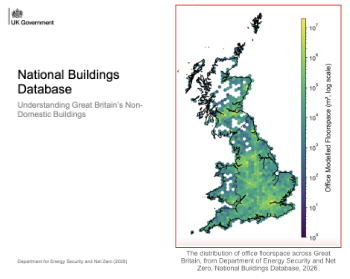
New UK National Buildings Database.
Building Safety Wiki Interviews

Chief executive of the British Woodworking Federation.
Planning condition discharge in England and Wales

A brief explanation from a building compliance expert, with further links.
Overheating guidance and tools for building designers

Guidance for dealing with element of building fabric control that have increasing importance.
Shading for housing, a design guide

From the Good Homes Alliance and British Blind and Shutter Association.
UK Standard Skills Classification (SSC)

A shared framework for describing skills needs.
Social media ban consultation comes to close

CIOB urges UK Government to consider social media’s role in careers guidance in ban debate.