






Lighting for circadian rhythms

Lighting for circadian rhythms was written by Dr Paul Littlefair and Dr Cosmin Ticleanu and was published by the BRE Trust in October 2019.
People have circadian rhythms linked to the natural light/dark cycle of the day. These control patterns of alertness and sleep as well as other factors such as body temperature and the release of various hormones. Light and dark patterns act as the most important signal to entrain (synchronise) the circadian clock to the solar cycle and cause waking and sleeping to occur at consistent times.
A combination of bright light during the day and darkness at night helps maintain the daily cycle of waking and sleep. However, exposure to artificial light at the wrong times of day can have an adverse effect on circadian rhythms. Light at night time can alter the body clock, suppressing melatonin production and keeping people awake at night, and making them more sleepy during the day.
Circadian lighting varies in colour and intensity during the day. The aim is to improve alertness during working hours using bright light, but to switch to lower brightness, warmer coloured light before it is time to relax.
This report presents the results of an experiment to assess circadian lighting and provides guidance for building owners and occupiers, lighting designers, lighting manufacturers and installers.
Its contents are:
- Abstract.
- Introduction.
- Colour of light.
- Dynamic lighting: previous studies.
- Existing recommendations.
- An experiment to assess variable lighting.
- Results.
- Discussion.
- Conclusions and recommendations.
- Acknowledgements.
- References.
[edit] Related articles on Designing Buildings
- 7 ways better lighting can improve your health.
- BRE articles.
- BRE Expert Collection 6 Daylight and shading.
- BRE Trust.
- BREEAM External lighting.
- BREEAM Internal and external lighting.
- BREEAM Reduction of night time light pollution.
- BREEAM Visual comfort Daylighting.
- Building Research Establishment.
- CIBSE Case Study Hepworth Gallery Lighting.
- Circadian rhythms.
- Colour Rendering Index CRI.
- Daylight benefits in healthcare buildings.
- Health and wellbeing impacts of natural and artificial lighting.
- Human-centric lighting.
- Lighting and health FB 74.
- Lighting and health infographic.
- Lighting.
- Light Pollution - Human Health Impacts from LEDs.
- Types of lighting.
- Use of lighting to improve health and wellbeing.
Featured articles
Check out some of the best features and news from Designing Buildings as well as key stories from around the web.
Bridging the gap between clients and contractors
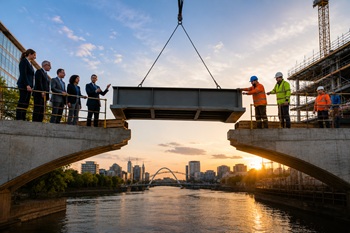
Concerns remain around contractor quality, capability, and delivery.
Construction Management, 10 June.
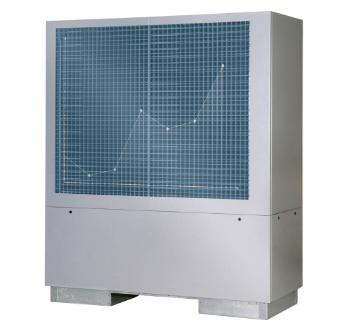
Heat pumps beat boilers in new home tests.
Building Safety Act implementation in Wales

CIAT to host industry panel on 26 June.
New and updated CLC building safety guidance.
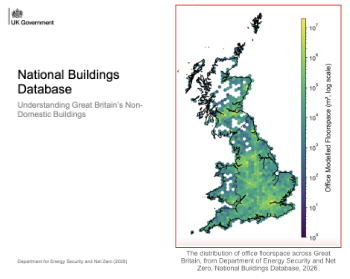
New UK National Buildings Database.
Building Safety Wiki Interviews

Chief executive of the British Woodworking Federation.
Planning condition discharge in England and Wales

A brief explanation from a building compliance expert, with further links.
Overheating guidance and tools for building designers

Guidance for dealing with element of building fabric control that have increasing importance.
Shading for housing, a design guide

From the Good Homes Alliance and British Blind and Shutter Association.
UK Standard Skills Classification (SSC)

A shared framework for describing skills needs.
Social media ban consultation comes to close
CIOB urges UK Government to consider social media’s role in careers guidance in ban debate.