





JCT Design and Build Contract
The Joint Contracts Tribunal (JCT) Design and Build Contract (DB) is intended for use on construction projects following the design and build procurement route. This involves appointing a main contractor to design (or complete the design) of the project and then to go on and construct it. This is as opposed to the traditional procurement route in which the client appoints consultants to design the project and then a contractor is appointed to construct it.
Design and build gives a single point of responsibility for delivering the entire project, and can help ensure good buildability, cost control and speed. Some clients however, consider it is only appropriate for simple projects, where retaining control over the design is not the main priority.
The scale and complexity of design and build projects can vary considerably, but the DB contract is generally suitable for projects where a detailed agreement is required, making provision for collaborative working, sustainability, advance payment, third party rights, bonds, collateral warranties and so on.
The 2016 edition of the contract includes the following documents:
- Design and Build contract guide (DB/G).
- Design and Build sub-contract agreement (DBSub/A).
- Design and Build sub-contract conditions (DBSub/C).
- Short form of sub-contract (ShortSub): For small-scale subcontract works that are simple and involve low risk.
- Sub-subcontract (SubSub).
- Design and Build sub-contract guide (DBSub/G).
- Design and Build contract (DB) Tracked Change Document: Highlights the changes between the DB 2011 and 2016 editions.

[edit] Related articles on Designing Buildings Wiki
- Construction contract.
- Construction management contract.
- Design and build.
- Design and build - pros and cons.
- Intermediate building contract.
- JCT.
- JCT minor works building contract.
- JCT Sub-subcontract.
- Major project construction contract.
- Management Building Contract.
- Prime cost contract.
- Standard Building Contract.
Featured articles
Check out some of the best features and news from Designing Buildings as well as key stories from around the web.

A quick introduction to its uses and risks.
Construction Management, 17 June

Government rolls out digital planning tool to all local authorities.

Your views needed - a strategy for the professions, trades and occupations.

Confronting competency, codes, capacity and costs.

The hidden risk in modern construction supply chains.
Construction Management, 10 June

24 months to 14: CITB launches accelerated apprenticeships.
Bridging the gap between clients and contractors

Concerns remain around contractor quality, capability, and delivery.
Construction Management, 10 June.

Heat pumps beat boilers in new home tests.
Building Safety Act implementation in Wales

CIAT to host industry panel on 26 June.
New and updated CLC building safety guidance.
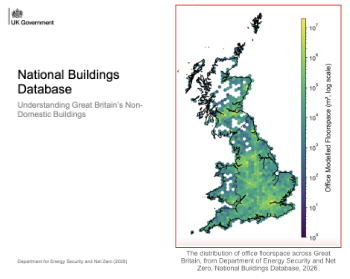
New UK National Buildings Database.
Comments
If the design build contractor is the actual designer and is responsible to procure the materials but not required to build. Can he change the material prices after signing the contract
What does the contract say - does it allow them to change prices? eg are fluctuations allowed?