






Pre-qualification standard 2021

Photo credit: Pre-qualification by Nick Youngson, CC BY-SA 3.0 Pix4free.
Contents |
[edit] Introduction
As of March 2021, an updated industry-wide pre-qualification (PQ) system has become operational. Its purpose is to simplify a complex system for the benefit of everyone in the construction sector. The modified Common Assessment Standard (CAS) should reduce the duplication of time, effort and resources that are costing the sector up to £1 billion a year.
[edit] Common Assessment Standard
Major contractors and clients – including Balfour Beatty, Costain, HS2, Mace, Multiplex and Skanska – have all adopted the CAS. This means that members of their supply chains will need to obtain just one certification to tender for work with them. This follows the implementation of a data sharing solution which enables contractors and clients to obtain key PQ data from any one of three recognised assessment bodies: Achilles, CHAS or Constructionline.
The CAS is an industry-agreed question set with two levels of certification – desktop and site-based – and companies can apply to any recognised assessment body to get the appropriate level dependent upon their trade, size and requirements of their clients.
Created by Build UK (of which ECA is a key member) and with the support of CECA, the CAS is endorsed by the Construction Leadership Council (CLC), which is actively seeking its adoption throughout Government construction procurement, including the Construction Playbook.
[edit] Reaction
Paul Reeve, CSR Director of ECA and deputy chair of the Cross-Industry Body, said, "Data sharing paves the way for increased specification by main contractors and other buyers and offers suppliers more choice about who carries out their pre-qualification assessment. It will also help to deliver the savings and efficiencies that the supply chain has long been looking for, by reducing the need for multiple PQ questionnaires and schemes."
Jo Fautley, Deputy Chief Executive of Build UK, said “The new system is a huge step towards more efficient working, which is more important than ever in the current challenging economic climate.”
Andy Mitchell, Chair of the CLC, said, “It is a real and practical way of reducing bureaucracy and improving quality in the industry and it comes at just the right time. Companies will be able to demonstrate that they meet an agreed industry standard, and clients and contractors will be able to rely on the certification.”
This article originally appeared on the ECA website under the headline, 'Improved Pre-Qualification Standard launches'. It was published on 29 March 2021.
--ECA
[edit] Related articles on Designing Buildings Wiki
- Articles by the Electrical Contractors' Association (ECA).
- Build UK.
- CAS answers an expensive problem for industry.
- Construction Leadership Council CLC.
- Constructionline.
- Pre-construction information.
- Pre-qualification questionnaire PQQ for construction contracts.
- Pre qualification questionnaires and PAS 91.
- Tender.
- The Construction Playbook.
Featured articles
Check out some of the best features and news from Designing Buildings as well as key stories from around the web.

38% of Gen Zs feel safe when a fire door is wedged open.
Stunning images from around the world

Shortlist for CIOB’s Art of Building photography competition.

Guidance for conversion of traditional pre-1919 stone buildings.
Industrial heritage in the Ruhr

A marked difference to the fate of industrial landscapes in the UK.

Communities will be able to build their own clean energy.
Why diversity and inclusion matters for SMEs

CIOB’s D&I Charter shows how practical changes can support long-term growth.
Cut electricity bills to power growth

Coalition sends joint letter to the Chancellor.

Gasholders: a history in pictures. Book review.
Recognition, influence and growth

SocEnv identifies three strategic pillars in new strategy to 2045.
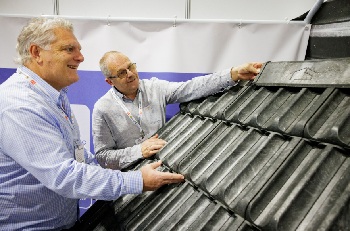
Discover the future of roofing, cladding and insulation.

New guidance for professional practice, cultural change and regulation in social housing.
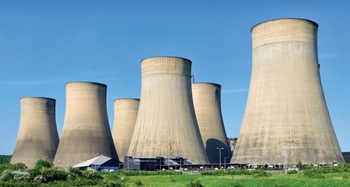
The heritage of nuclear and conventional power stations.