






Implementing eco-friendly building design
To help develop this article, click 'Edit this article' above.

Contents |
[edit] Introduction
The construction industry is slowly embracing eco-friendly techniques in their building design activities. The construction process has suffered from multiple challenges in terms of sustainable development. From the materials used in construction activities to electrical designs, all actions put stress on Earth’s resources and also cause environmental damage.
[edit] Sustainable Design Objectives
The aim of sustainable building design is to minimise the negative impact of construction activities on the environment and to reduce the dependence on resources. Sustainability can be introduced by incorporating those materials that are environmentally-friendly and by creating optimal building solutions.
[edit] Argument For Sustainable Design
Different construction materials have a different impacts on the environment. Statistics for the US reveal that construction industry accounts for 160 million tons of waste generation. This sector contributes about 23% of air pollution. Also, the construction industry poses a great challenge in terms of its energy consumption as it accounts for about 40% of worldwide energy usage.
These stats point to a lack of awareness about sustainable solutions and mismanagement of resources.
Sustainability is a key requirement in building design:
- to bring down pollution levels
- to manage resources efficiently and minimise waste
- to save non-renewable resources.
[edit] Sustainable building process
[edit] Eco-friendly construction materials
Using construction materials that can be recycled can help curb pollution. Such materials include timber, bamboo, straw bales etc. Proper measures need to be taken while designing the building to incorporate eco-friendly elements; a complete analysis needs to be carried out to check which materials can be used while also keeping the risks to a minimum. The construction activities also need to be monitored so the least amount of materials go to waste.
[edit] Solar design and solar powered products
When designing buildings, solutions can be introduced to make the overall design more energy efficient. As an example, to prevent rooms from being excessively heated during summers, efficient windows can be incorporated that also allow natural lighting and ventilation.
Additionally, renewable energy sources can be used, such as solar energy to power buildings, fom minor changes such as the introduction of solar cells to complete makeovers using photovoltaic panels, solar thermal panels and so on
[edit] Machinery
A fully sustainable construction model cannot be executed without efficient machinery. Deploy construction machinery which has a good output to input ratio and invest in long-lasting building tools to minimise waste generation.
[edit] Space optimisation
Sustainable building plans also ensure optimum utilization of the available space. It is crucial to keep enough room for storage. By adopting efficient layouts, the available area can be put to best use and space requirements can be trimmed down.
[edit] Action plan
Break down your action plan into these steps:
- Picking eco-friendly building materials
- Efficient use of materials
- Monitoring the resource utilization and wastage
- Provision of lighting
- Space utilization
- Sustainable energy solutions
[edit] Find out more
[edit] Related articles on Designing Buildings Wiki
Featured articles
Check out some of the best features and news from Designing Buildings as well as key stories from around the web.
Bridging the gap between clients and contractors

Concerns remain around contractor quality, capability, and delivery.
Construction Management, 10 June.
Heat pumps beat boilers in new home tests.
Building Safety Act implementation in Wales

CIAT to host industry panel on 26 June.
New and updated CLC building safety guidance.
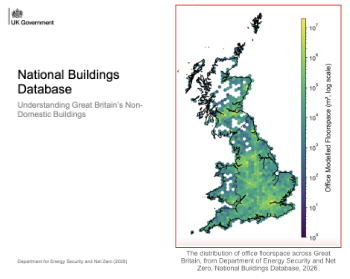
New UK National Buildings Database.
Building Safety Wiki Interviews

Chief executive of the British Woodworking Federation.
Planning condition discharge in England and Wales

A brief explanation from a building compliance expert, with further links.
Overheating guidance and tools for building designers

Guidance for dealing with element of building fabric control that have increasing importance.
Shading for housing, a design guide

From the Good Homes Alliance and British Blind and Shutter Association.
UK Standard Skills Classification (SSC)

A shared framework for describing skills needs.
Social media ban consultation comes to close

CIOB urges UK Government to consider social media’s role in careers guidance in ban debate.