





ISO/PAS 45005 Guidance for working safely during COVID-19

Contents |
[edit] Introduction
The COVID-19 pandemic that began in 2020 prompted ISO occupational health and safety (OH&S) experts to develop comprehensive generic guidance about protecting staff while continuing to function effectively.
Published in December 2020, ISO/PAS 45005:2020, Occupational health and safety management – General guidelines for safe working during the COVID-19 pandemic was created in response to the urgency of the situation and the immediate need for such information.
The document is available to view for free and can also be purchased from the ISO Store.
[edit] Background
The publicly available specification (PAS) was approved in three months by the 80 member countries of ISO/TC 283 - ISO’s technical committee for occupational health and safety management. The secretariat of ISO/TC 283 is held by BSI, which is ISO’s member for the UK.
The format of the guidance allows it to be updated or developed into a formal standard, depending on the future course of the pandemic and the emergence of new information.
[edit] Scope of guidance
ISO/PAS 45005 includes international best practice about how to manage the health and safety of employees and stakeholders during the COVID-19 pandemic and is intended to complement existing national guidelines and regulations.
It provides guidance for organisations about how to manage the risks arising from COVID-19 to protect work-related health, safety and wellbeing. However, it is not intended to provide guidance about how to implement specific infection control protocols in clinical, healthcare and other settings.
It is suitable for organisations of all sizes and sectors, including those that:
- Have been operating throughout the pandemic.
- Are resuming or planning to resume operations following full or partial closure.
- Are re-occupying workplaces that have been fully or partially closed.
- Are new and planning to operate for the first time.
It also provides guidance relating to the protection of workers (including those workers employed by an organisation, workers of external providers, contractors, self-employed individuals, agency workers, older workers, workers with a disability and first responders), and other relevant parties (including visitors to a workplace and members of the general public).
[edit] Related articles on Designing Buildings Wiki
- British Standards Institution BSI.
- Coronavirus and the construction industry.
- Health and Safety Executive HSE.
- International Organisation for Standardisation ISO.
- Maintenance.
- Maximising maintenance budgets after lockdown.
- Occupational health.
- Property management.
- Soft facilities management.
- UN Sustainable Development Goals.
[edit] External resources
Featured articles and news

We're expanding our collaborative mission by launching DB Intelligence, an exclusive market research advisory panel. Built environment professionals can now get paid to share their expertise on industry trends, products and services.
Panel members receive direct financial incentives for participating in research projects like short surveys, 1-2-1 interviews and focus groups. Register today to shape the future of the construction sector.
Building Safety Wiki Interviews

Chief executive of the British Woodworking Federation.
Planning condition discharge in England and Wales

A brief exoplanation from a building compliance expert, with further links.
Overheating guidance and tools for building designers

Guidance for dealing with element of building fabric control that have increasing importance.
Shading for housing, a design guide

From the Good Homes Alliance and British Blind and Shutter Association.
UK Standard Skills Classification (SSC)
A shared framework for describing skills needs.
Social media ban consultation comes to close

CIOB urges UK Government to consider social media’s role in careers guidance in ban debate.
The latest of eight Skills England apprenticeship units

The addition of battery manufacturing welcomed by ECA with a warning about the risks of fast-tracked apprenticeship units.
Building Control Independent Panel final report
A precis of a key report led by Dame Hackitt with full recommendations and link to the government response.
Building Safety recap April, 2026
A short and longer run-through of the month, with links to further information and sources.

CIAT May 2026 briefing.
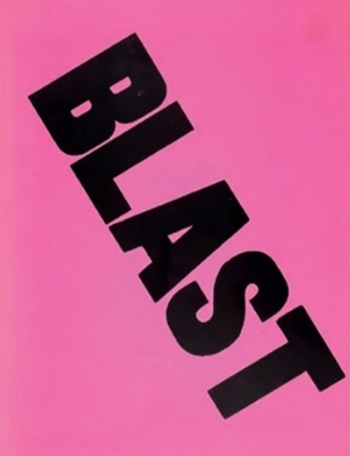
From medieval scribes to modern word art.

ECA welcomes crackdown on late payment and push for clean energy, whilst CIOB seek fixed cladding removal timeframes.
Cyber Security in the Built Environment
Protecting projects, data, and digital assets: A CIOB Academy TIS.
Managing competence in the built environment
ITFG publishes new industry guide on how to meet the ICC principles.