





Housing cooperative
A cooperative (or co-op), is a group of people who voluntarily join together in a jointly-owned and democratic enterprise with the aim of meeting their social and economic needs. A housing cooperative is a form of community-led housing that allows local communities play a central role in providing their own housing. By combining the resources of the members, their buying power can be leveraged, lowering the individual cost of the services and products relating to home ownership.
A housing cooperative is similar to a housing association, in that it is a legal entity which owns real estate, but differs in that it is managed by its tenants, either fully or the majority. Each member of the cooperative is granted the right to occupy one housing unit, acting as a share purchase in the legal entity.
The ethos behind housing cooperatives is that it enables members more control over their community housing and encourages greater cooperation with others.
Housing cooperatives are registered with the Registrar of Friendly Societies at the Financial Services Authority (FSA). A registered cooperative can lease or purchase real estate which is then rented out to the members. The members pay rent to the cooperative, which acts as their landlord.
Generally, housing cooperatives can be categorised as either non-ownership (non-equity) cooperatives, whereby occupancy agreements often grant occupancy rights, similar to a lease; or ownership (equity) cooperatives, whereby purchase agreements often grant occupancy rights.
[edit] Related articles on Designing Buildings Wiki
Featured articles
Check out some of the best features and news from Designing Buildings as well as key stories from around the web.

A quick introduction.
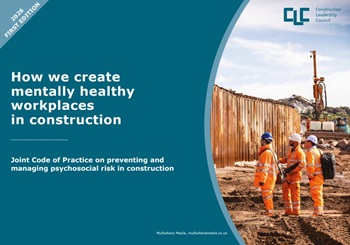
CLC publishes Mental Health Joint Code of Practice.

A quick introduction to its uses and risks.
Construction Management, 17 June

Government rolls out digital planning tool to all local authorities.

Your views needed - a strategy for the professions, trades and occupations.

Confronting competency, codes, capacity and costs.

The hidden risk in modern construction supply chains.
Construction Management, 10 June

24 months to 14: CITB launches accelerated apprenticeships.
Bridging the gap between clients and contractors

Concerns remain around contractor quality, capability, and delivery.
Construction Management, 10 June.

Heat pumps beat boilers in new home tests.
Building Safety Act implementation in Wales

CIAT to host industry panel on 26 June.