





Gross site area
For the purposes of determining housing density, ‘gross site area’ is the total land area as part of the development. Infrastructure and services serving a wider area (such as parks and open space) are considered part of the gross site area. This includes:
- Major distributor roads.
- Primary schools, churches, shopping areas etc.
- Open spaces serving the wider areas.
- Significant landscape buffering strips.
Net site area is the land that is available for development. It is also referred to as the area of developable land. The net site area is more than the land for dwellings and private space and includes other areas that contribute to the use and enjoyment directly linked to the developed dwellings. This includes:
- Access roads within the site.
- Private garden space.
- Car parking space.
- Incidental open space.
- Children’s play areas.
In planning practice it is common to determine net site area as a percentage of gross site area, known as the gross to net ratio.
Ref Telford & Wrekin Council Local Plan 2011 – 2031 Technical Paper. Density and net site area study, July 2015.
[edit] Related articles on Designing Buildings Wiki
Featured articles and news

We're expanding our collaborative mission by launching DB Intelligence, an exclusive market research advisory panel. Built environment professionals can now get paid to share their expertise on industry trends, products and services.
Panel members receive direct financial incentives for participating in research projects like short surveys, 1-2-1 interviews and focus groups. Register today to shape the future of the construction sector.
Building Control Independent Panel final report

A precis of a key report led by Dame Hackitt with full recommendations and link to the government response.
Guide to ISO 19650 for Architecture Firms (2026)
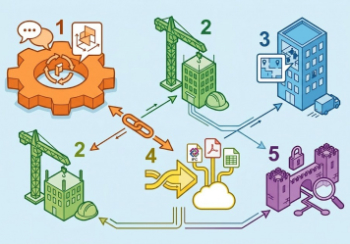
A user gives their low down.

A UK training and membership provider for mould remediation professionals.
Building Safety recap April, 2026

A short and longer run-through of the month, with links to further information and sources.
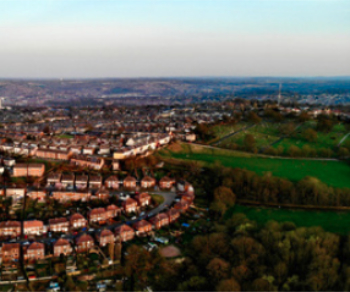
CIAT May 2026 briefing.

Independent NSI and BAFE study exploring how organisations are changing the way they buy fire safety services.

From medieval scribes to modern word art.

ECA welcomes crackdown on late payment and push for clean energy, whilst CIOB seek fixed cladding removal timeframes.
Cyber Security in the Built Environment
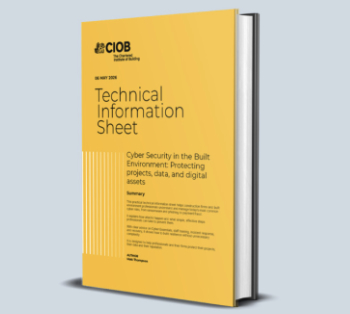
Protecting projects, data, and digital assets: A CIOB Academy TIS.
Managing competence in the built environment

ITFG publishes new industry guide on how to meet the ICC principles.

The UK's campaign to reduce noise pollution: Mythbusting, articles and topic guides.