





Green-collar workers
UNEP and the International Labour Organization (ILO) define ‘green-collar’ workers based on their employment in the Environmental Goods and Service Sector (EGSS) , (UNEP et al., 2008). Employees in the environmental sector are defined as ‘persons who, during a set reference period, were employed ... in the production of environmental goods and services’ (ILO, 2013a, p. 18).
In an early report published in the context of this initiative, UNEP defined green jobs as ‘those that contribute appreciably to maintaining or restoring environmental quality and avoiding future damage to the Earth’s ecosystems’ (UNEP et al., 2008, p. 35). For example, green jobs reduce the consumption of materials and energy, support decarbonisation processes, reduce waste and pollution, or restore biodiversity.
Therefore, green jobs are categorised as jobs in several sectors (agriculture, manufacturing, construction, installation, maintenance, and scientific and technical, administrative, and service-related activities) that ‘[…] contribute substantially to preserving or restoring environmental quality’ (UNEP, 2008, p. 36). This includes but is not limited to improving energy and material efficiency, limiting greenhouse gas emissions, minimising waste generation and pollution, restoring ecosystems or adapting to climate change (ILO, 2016).
[edit] Related articles on Designing Buildings
Featured articles and news
A safe energy transition – ECA launches a new Charter
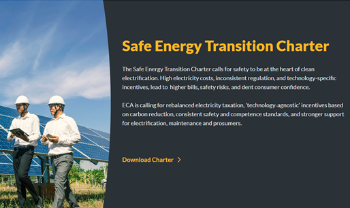
Practical policy actions to speed up low carbon adoption while maintaining installation safety and competency.
Frank Duffy: Researcher and Practitioner

Reflections on achievements and relevance to the wider research and practice communities.
The 2026 Compliance Landscape: Fire doors

Why 'Business as Usual' is a Liability.
Cutting construction carbon footprint by caring for soil

Is construction neglecting one of the planet’s most powerful carbon stores and one of our greatest natural climate allies.
ARCHITECTURE: How's it progressing?

Archiblogger posing questions of a historical and contextual nature.
The roofscape of Hampstead Garden Suburb
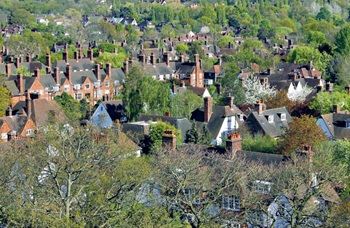
Residents, architects and roofers need to understand detailing.
Homes, landlords. tenants and the new housing standards

What will it all mean?
The Architectural Technology podcast: Where it's AT

Catch-up on the latest episodes.
Edmundson Apprentice of the Year award 2026

Entries now open for this Electrical Contractors' Association award.

Traditional blue-grey slate from one of the oldest and largest UK slate quarries down in Cornwall.

There are plenty of sources with the potential to be redeveloped.
Change of use legislation breaths new life into buildings

A run down on Class MA of the General Permitted Development Order.
Solar generation in the historic environment
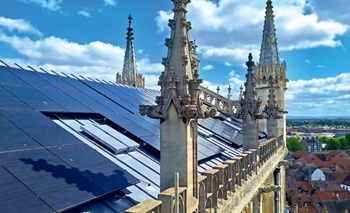
Success requires understanding each site in detail.
Level 6 Design, Construction and Management BSc

CIOB launches first-ever degree programme to develop the next generation of construction leaders.

Open for business as of April, with its 2026 prospectus and new pipeline of housing schemes.
The operational value of workforce health

Keeping projects moving. Incorporating unplanned absence and the importance of health, in operations.
A carbon case for indigenous slate

UK slate can offer clear embodied carbon advantages.
Costs and insolvencies mount for SMEs, despite growth

Construction sector under insolvency and wage bill pressure in part linked to National Insurance, says report.