





Gifts, bribes and kickbacks in the construction industry
Contents |
[edit] Introduction
A gift is an object, treat or sum of money given when appropriate as a token of thanks, celebration or appreciation, and with no expectation of a reciprocated reward: nothing is expected in return.
A bribe can involve giving a financial or other advantage in expectation of the recipient performing their function improperly and in a way that benefits the donor. Bribes attempt to curry favour and are regarded as unethical and are sometimes illegal. Bribes may be given to ‘grease the wheels of industry’ and often create conflicts of interest.
Recipients can determine whether something is a gift or bribe if they know what the expectation or purpose is. Where bribes are given, the value is usually irrelevant. What is important is the intent, and whether there is transparency.
In the UK, it is illegal to offer, promise, give, request, agree, receive or accept bribes – businesses can be protected by an anti-bribery policy, especially of they feel their employees may be exposed to bribes.
For more information see: Bribery Act.
[edit] An example
A buyer in a construction company may be given a lavish, no-expenses-spared day out at a sporting fixture by Company A. As a result, they subsequently offer Company A the contract to supply office lighting on a major office refurbishment.
The Bribery Act 2010 does not prohibit hospitality. However, even if the decision was made in earnest and Company A was indeed the most suitable supplier, the fact that the relationship existed may create the appearance of a conflict of interest. This may be partially overcome by showing full transparency in all such eventualities.
Generally, gifts should not be given during the tendering process, when negotiations are taking place or when a contract is being renewed. Thanking long-term customers is a common sentiment but it too can be perceived as a bribe. Companies must therefore be confident of why they are giving a gift and its timing.
Anti-bribery policies should include:
- The business’s approach to reducing and controlling the risks of bribery.
- Rules about accepting gifts, hospitality or donations.
- Guidance on how to conduct company business, e.g negotiating contracts.
- Rules on avoiding or stopping conflicts of interest.
[edit] Kickback
A kickback can be regarded as a backward bribe. For example, while a bribe may induce a party to be dishonest (i.e an inducement that is offered in advance of a state of affairs), a kickback occurs when a party gets money or some other reward after a state of affairs has materialised. An example would be a government official who approves a project and subsequently is rewarded by the project owner.
[edit] Related articles on Designing Buildings
Featured articles and news
Costs and insolvencies mount for SMEs, despite growth

Construction sector under insolvency and wage bill pressure in part linked to National Insurance, says report.
The place for vitrified clay pipes in modern infrastructure
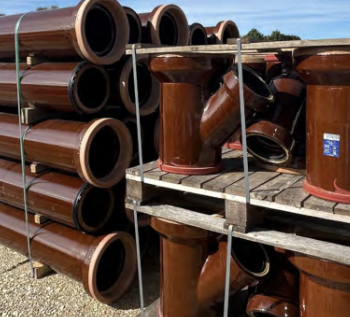
Why vitrified clay pipes are reclaiming their role in built projects.
Research by construction PR consultancy LMC published.
Roles and responsibilities of domestic clients

ACA Safety in Construction guide for domestic clients.
Fire door compliance in UK commercial buildings

Architect and manufacturer gives their low down.
Plumbing and heating for sustainability in new properties

Technical Engineer runs through changes in regulations, innovations in materials, and product systems.
Awareness of the Carbon Border Adjustment Mechanism
What CBAM is and what to do about it.
The new towns and strategic environmental assessments
12 locations of the New Towns Taskforce reduced to 7 within the new towns draft programme and open consultation.
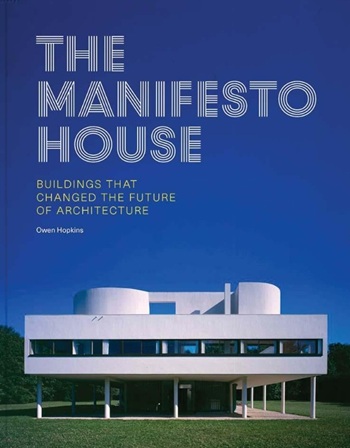
Buildings that changed the future of architecture. Book review.
The Sustainability Pathfinder© Handbook
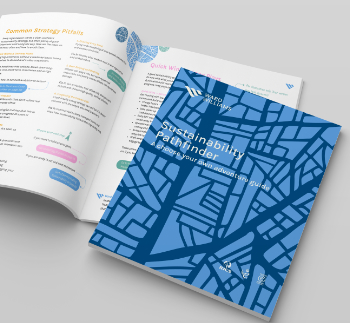
Built environment agency launches free Pathfinder© tool to help businesses progress sustainability strategies.
Government outcome to the late payment consultation, ECA reacts.
IHBC 2025 Gus Astley Student Award winners
Work on the role of hewing in UK historic conservation a win for Jack Parker of Oxford Brookes University.
Future Homes Building Standards and plug-in solar
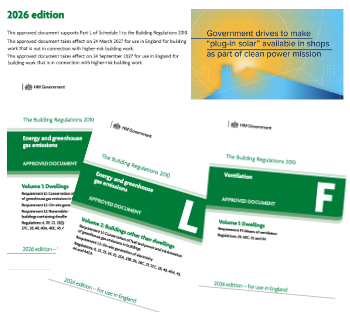
Parts F and L amendments, the availability of solar panels and industry responses.
How later living housing can help solve the housing crisis
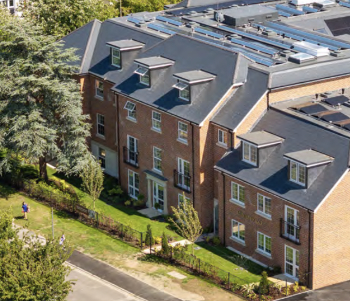
Unlocking homes, unlocking lives.
Preparing safety case reports for HRBs under the BSA
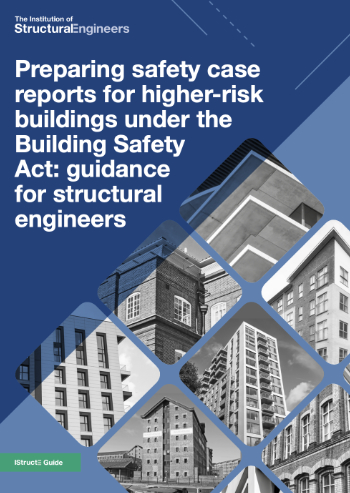
A new practical guide to preparing structural inputs for safety cases and safety case reports published by IStructE.
Male construction workers and prostate cancer

CIOB and Prostate Cancer UK encourage awareness of prostate cancer risks, and what to do about it.