





Declaration of non-collusion
As part of a selective tendering process, tenderers may be required to complete a ‘Declaration of Non-Collusion’ (sometimes referred to as a ‘Declaration of Non-Collusion Form’ or a ‘Certificate of Non-Collusion’).
This is intended to prevent corruption in the tender process by requiring a declaration from the tenderer that they have not colluded with any other party in the preparation of their tender.
The declaration may require that the tenderer confirms that:
- Their tender is bona fide.
- They have not colluded with any other party to fix or adjust the tender price.
- They have not communicated the tender price or terms to any other party (other than where this is necessary to prepare the tender).
- That they have not entered into arrangements with other parties not to tender, or to tender a certain price or terms.
- That they have not given inducements or rewards to the client or their representatives.
- That similar non-collusion arrangements will be required from their sub-contractors and suppliers.
[edit] Related articles on Designing Buildings Wiki
Featured articles
Check out some of the best features and news from Designing Buildings as well as key stories from around the web.
New Chief Construction and Scientific Adviser

Sergio Cavalaro, Professor of Infrastructure Systems at Loughborough University.
Building safety levy for England

CIAT publish estimator tool for members.
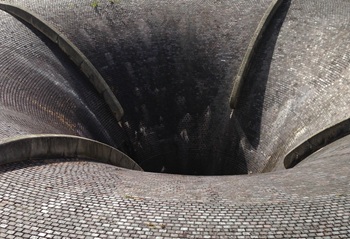
Water sector faces a growing crisis that could slow the delivery of vital infrastructure.
Undervaluing our industrial past

Heritage value changes as taste for building styles changes.
Changing expectations around competence and compliance

New information sheet from CIAT.
Grenfell investigation files passed to CPS

Angela Rayner apologises on behalf of the British state.

Electrical contractors need to understand the practical implications.

The real barrier to getting more value from digital technology.

Your guide to The Construction Reset at UKCW Birmingham.
Accommodating the Victorian and Edwardian working woman. Book review.
Rethinking passive fire protection in design

PFP demands the same level of design rigour as structure or services.
38% of Gen Zs feel safe when a fire door is wedged open.
Comments
To start a discussion about this article, click 'Add a comment' above and add your thoughts to this discussion page.