





Floating Offshore Wind Manufacturing Investment Scheme FLOWMIS
Floating Offshore Wind Manufacturing Investment Scheme (FLOWMIS), is a scheme which looks to provide up to £160 million to kick start investment in to port infrastructure projects, needed to deliver floating offshore wind ambitions. The scheme, hopes to capture benefits to the UK economy including:
- Enabling the delivery of our 5GW 2030 deployment ambition by securing additional suitable port capacity necessary to scale up and accelerate floating offshore wind deployment in the UK
- Increasing capability in the UK floating offshore wind supply chain, driving cost reduction and the commercialisation of floating offshore wind technology
- Delivering industrial growth and associated regional economic and social benefits (for example, quality jobs and increased GVA)
- Contributing to our target to achieve net zero by 2050
The wind power targets were first discussed in 2022 as part of the British Energy Security Strategy, which announced the UK ambition to deliver up to 50GW of offshore wind by 2030, including up to 5GW of floating offshore wind. Details of the group scheme were described in the Powering up Britain report of March 2023, from the Department for Energy Security and Net Zero (DESNZ) and supporting documents published concurrently including "Floating Offshore Wind Manufacturing Investment Scheme Guidance" give further details.
[edit] Related articles on Designing Buildings
Featured articles
Check out some of the best features and news from Designing Buildings as well as key stories from around the web.
Undervaluing our industrial past
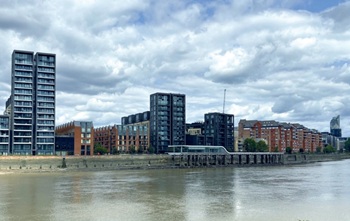
Heritage value changes as taste for building styles changes.
Changing expectations around competence and compliance

New information sheet from CIAT.
Grenfell investigation files passed to CPS

Angela Rayner apologises on behalf of the British state.

Electrical contractors need to understand the practical implications.

The real barrier to getting more value from digital technology.
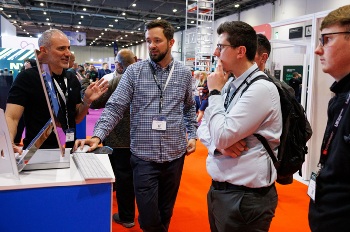
Your guide to The Construction Reset at UKCW Birmingham.
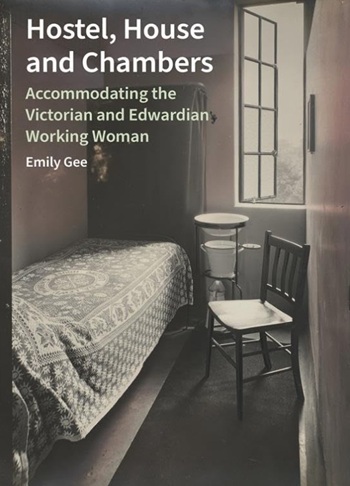
Accommodating the Victorian and Edwardian working woman. Book review.
Rethinking passive fire protection in design

PFP demands the same level of design rigour as structure or services.
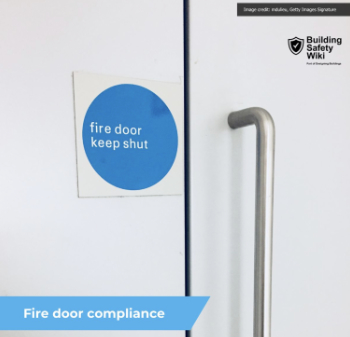
38% of Gen Zs feel safe when a fire door is wedged open.
Stunning images from around the world

Shortlist for CIOB’s Art of Building photography competition.

Guidance for conversion of traditional pre-1919 stone buildings.
Industrial heritage in the Ruhr

A marked difference to the fate of industrial landscapes in the UK.
Comments
[edit] To make a comment about this article, click 'Add a comment' above. Separate your comments from any existing comments by inserting a horizontal line.