






File:Cnc-milling.jpg
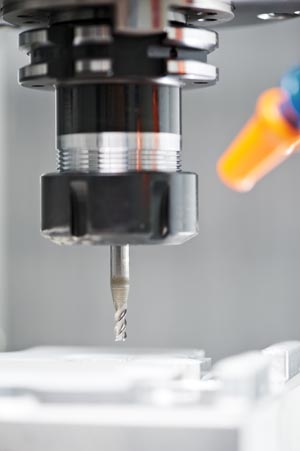
No higher resolution available.
Computer Aided Design; Changing the World we Live in
Computer Aided Design (CAD) and CAM machinery are found in all workforces, all over the globe. Many factory floors are now to be found almost entirely void from human interaction, robots working away quietly to produce hundreds of identical parts in the course of one day. The introduction of CNC machinery has enabled workforces to not just cut back on manpower but also to produce a higher quality of precision parts that are entirely free from human error. These parts are available to the consumer cheaper than hand made parts; so it really is a win-win situation whichever way you look at it.
CNC machining and milling does however require the precision of a trained CAD expert; this is where human intervention is still necessary and always will be. Behind every CNC lathe, drill, or machine there is a computer that is using CAD software to transmit the messages to the machine to tell it what to do. Behind that computer there is the software professional who programmed it, behind that the person who designed the software, and behind that the person who designed the computer in the first place.
From this point of view it is easy to see therefore that although a robot can carry out virtually any task required of it in the field of CNC engineering, highly trained professionals are required for the monitoring of these robots and ensuring they do what they are programmed to. On a factory floor you will see many CNC lathes, drills, and machines at work, and no one anywhere to be seen. Some setups are left to run overnight by themselves; this is made possible by the fact that on detection of an error by the computer, the CAD software will shut down the machine in question until an engineer comes along.

Computer aided design is used in almost all applications that you can think of in the modern world; from mass producing car parts to boring out metal tubes, CNC milling can carry out the tasks that it used to take the human being many hours to do. CAD software allows for further precision, and CAD design has somewhat put an end to hand drawings; with precise vector lines being used by CAD software once again the brains behind the design is present but the human error is not.
CNC is changing the world that we live in, it has been for some decades already, and it will continue to do so for many more. With every advance in technology, precision engineered parts can be made to higher specifications, with more complex designs, and without human error that occurred in the past. From something as simple as making a tin can perfectly round, to engineering aerospace parts, CNC machining is almost entirely responsible for the world in which we live today.
--Kristian 11:45, 25 May 2015 (BST)CAM Machine; Your Precision Engineering Experts in Bristol
File history
Click on a date/time to view the file as it appeared at that time.
| Date/Time | Thumbnail | Dimensions | User | Comment | |
|---|---|---|---|---|---|
| current | 10:42, 25 May 2015 | | 300 × 451 (26 KB) | Kristian (Talk | contribs) |
- Edit this file using an external application (See the setup instructions for more information)

File usage
The following 2 pages link to this file:
Metadata


Featured articles and news
UKCW London to tackle sector’s most pressing issues
AI and skills development, ecology and the environment, policy and planning and more.
Managing building safety risks

Across an existing residential portfolio; a client's perspective.

ECA support for Gate Safe’s Safe School Gates Campaign.
Core construction skills explained

Preparing for a career in construction.
Retrofitting for resilience with the Leicester Resilience Hub
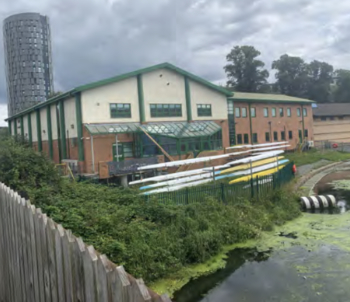
Community-serving facilities, enhanced as support and essential services for climate-related disruptions.

Some of the articles relating to water, here to browse. Any missing?

Recognisable Gothic characters, designed to dramatically spout water away from buildings.
A case study and a warning to would-be developers
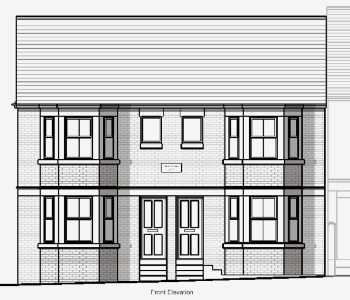
Creating four dwellings... after half a century of doing this job, why, oh why, is it so difficult?
Reform of the fire engineering profession
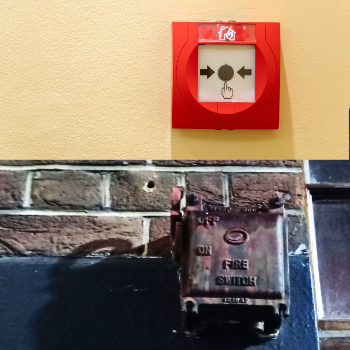
Fire Engineers Advisory Panel: Authoritative Statement, reactions and next steps.
Restoration and renewal of the Palace of Westminster
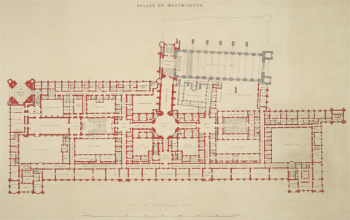
A complex project of cultural significance from full decant to EMI, opportunities and a potential a way forward.
Apprenticeships and the responsibility we share

Perspectives from the CIOB President as National Apprentice Week comes to a close.

The first line of defence against rain, wind and snow.
Building Safety recap January, 2026
What we missed at the end of last year, and at the start of this...
National Apprenticeship Week 2026, 9-15 Feb

Shining a light on the positive impacts for businesses, their apprentices and the wider economy alike.
Applications and benefits of acoustic flooring

From commercial to retail.

From solid to sprung and ribbed to raised.
Strengthening industry collaboration in Hong Kong

Hong Kong Institute of Construction and The Chartered Institute of Building sign Memorandum of Understanding.
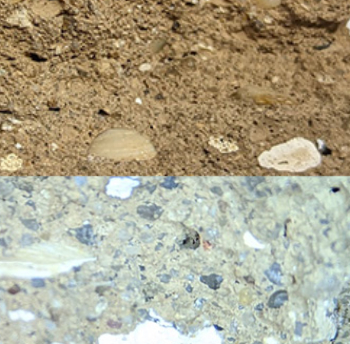
A detailed description from the experts at Cornish Lime.