






Efficient Space-Saving Beds for Modern Living
In the ever-evolving landscape of interior design, the importance of maximising space without sacrificing style or comfort has never been more critical. This demand has led to the rise of space-saving furniture solutions, with beds at the forefront of this movement. From studio apartments to tiny homes, efficient space-saving beds have become an essential component of modern living. This article is created by D’LIFE’s interior designers in Mangalore and explores various types of space-saving beds, their benefits, and tips for selecting the perfect one for your living space.
Contents |
[edit] Types of Space-Saving Beds
[edit] Murphy Beds
Murphy beds, also known as wall beds, are one of the most popular space-saving solutions. They are designed to fold up against the wall or into a cabinet when not in use, freeing up valuable floor space. This type of bed is ideal for small apartments or multi-purpose rooms where space is at a premium. Modern Murphy beds often come with additional features such as built-in shelving or desks, enhancing their functionality.
[edit] Loft Beds
Loft beds elevate the sleeping area to create additional space beneath for a desk, seating, or storage. They are particularly popular in children's rooms or shared spaces, where maximising vertical space can lead to better organisation and functionality. Loft beds come in various styles, from simple metal frames to elaborate wooden structures with integrated furniture.
[edit] Sofa Beds
Sofa beds are an excellent choice for those who frequently host guests but lack a dedicated guest room. These multifunctional pieces serve as a comfortable couch by day and a bed by night. Modern sofa beds are designed to effortlessly transform from one mode to the other, often incorporating high-quality mattresses to ensure a good night's sleep.
[edit] Trundle Beds
Trundle beds are another versatile option, especially for children's rooms or guest accommodations. They consist of a standard bed frame with a second bed stored underneath, which can be pulled out when needed. This design is perfect for sleepovers or homes with limited space, providing an extra sleeping area without occupying additional floor space when not in use.
[edit] Benefits of Space-Saving Beds
[edit] Maximising Living Space
The primary advantage of space-saving beds is their ability to maximise living areas. In urban environments where real estate is costly and spaces are smaller, these beds offer an efficient solution to optimise room layouts.
[edit] Versatility
Space-saving beds are incredibly versatile, suitable for various room configurations and purposes. Whether it's transforming a home office into a guest bedroom or creating a functional children's room, these beds adapt to changing needs.
[edit] Aesthetic Appeal
Modern space-saving beds are not only functional but also aesthetically pleasing. Designers have embraced contemporary materials and innovative designs to create pieces that complement modern interiors. From sleek, minimalist Murphy beds to chic, upholstered sofa beds, there's a style for every taste.
[edit] Enhanced Functionality
With additional features like built-in storage, shelving, or desks, space-saving beds enhance the functionality of any room. These features help maintain organisation and reduce clutter, contributing to a more serene living environment.
[edit] Choosing the Right Space-Saving Bed
[edit] Consider Your Space
Before selecting a space-saving bed, evaluate the available space and the room's primary function. For example, a Murphy bed might be ideal for a home office or studio apartment, while a loft bed could be perfect for a child's room with high ceilings.
[edit] Assess Style Preferences
Consider the existing decor and your personal style preferences. Do you prefer a minimalist look, or are you drawn to more traditional designs? With numerous styles and finishes available, choosing a bed that complements your overall interior design is essential.
[edit] Evaluate Additional Features
Think about the additional features you might need. Would built-in storage or a desk enhance the room's functionality? Consider how these features align with your lifestyle and practical needs.
[edit] Test for Comfort
While functionality is crucial, comfort should never be compromised. Ensure the bed you choose provides adequate support and a comfortable sleeping surface. If possible, test the bed in a showroom to ensure it meets your comfort standards.
[edit] Innovative Designs and Materials
The space-saving bed market is continuously evolving, with designers pushing the boundaries of what these beds can offer. Contemporary designs often incorporate eco-friendly materials like bamboo or reclaimed wood, adding sustainability to their list of benefits. Furthermore, innovations in mattress technology ensure that space-saving beds provide the same level of comfort as their traditional counterparts.
Some of the latest designs even integrate smart home technology, allowing users to adjust settings via mobile devices or voice commands. These advancements not only enhance convenience but also align with the growing trend of smart living.
[edit] Conclusion
Efficient space-saving beds are a testament to how far interior designers in India have come in addressing the challenges of modern living. By offering multifunctionality, maximising space, and merging style with practicality, these beds are a perfect addition to any home seeking a harmonious balance between form and function. Whether you're looking to make the most of a small apartment or optimise a specific room, space-saving beds offer an innovative solution that caters to diverse needs and preferences, ensuring that every square foot is utilised effectively.
Featured articles and news
Costs and insolvencies mount for SMEs, despite growth

Construction sector under insolvency and wage bill pressure in part linked to National Insurance, says report.
The place for vitrified clay pipes in modern infrastructure

Why vitrified clay pipes are reclaiming their role in built projects.
Research by construction PR consultancy LMC published.
Roles and responsibilities of domestic clients

ACA Safety in Construction guide for domestic clients.
Fire door compliance in UK commercial buildings

Architect and manufacturer gives their low down.
Plumbing and heating for sustainability in new properties
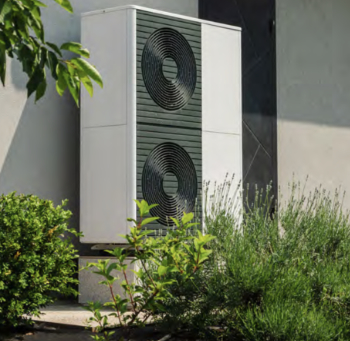
Technical Engineer runs through changes in regulations, innovations in materials, and product systems.
Awareness of the Carbon Border Adjustment Mechanism
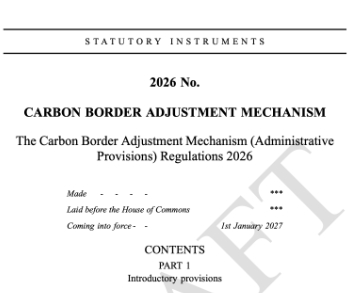
What CBAM is and what to do about it.
The new towns and strategic environmental assessments

12 locations of the New Towns Taskforce reduced to 7 within the new towns draft programme and open consultation.

Buildings that changed the future of architecture. Book review.
The Sustainability Pathfinder© Handbook
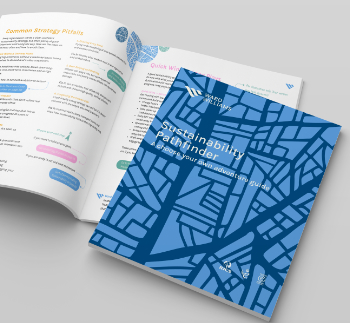
Built environment agency launches free Pathfinder© tool to help businesses progress sustainability strategies.

Government outcome to the late payment consultation, ECA reacts.
IHBC 2025 Gus Astley Student Award winners

Work on the role of hewing in UK historic conservation a win for Jack Parker of Oxford Brookes University.
Future Homes Building Standards and plug-in solar
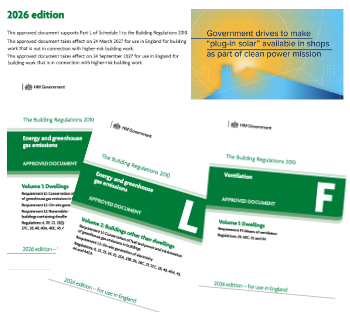
Parts F and L amendments, the availability of solar panels and industry responses.
How later living housing can help solve the housing crisis

Unlocking homes, unlocking lives.
Preparing safety case reports for HRBs under the BSA

A new practical guide to preparing structural inputs for safety cases and safety case reports published by IStructE.
Male construction workers and prostate cancer

CIOB and Prostate Cancer UK encourage awareness of prostate cancer risks, and what to do about it.