





Dynamic façade
A dynamic façade, also known as a responsive façade, is a building exterior that can change in response to its surrounding environment to maximise its performance. This can help control the interior environment within the building, and so minimise the energy consumption of building services systems. In this way, the 'skin' of the building is not static, but dynamic and can transform according to requirements.
The responsiveness of the façade can be at the macro scale, which involves changes in its configuration using moving parts, or at the micro scale which involves changes affecting a material’s structure.
Macro responsiveness might include adjustable ventilation or moveable solar shading, used to optimise the amount of solar heat gain and visible light that is admitted into a building, or daylight lighting systems which can help to maximise natural daylight. Such shading systems can also help to reduce heat gains in hotter climates, thus reducing pressure on air conditioning systems, for example as in the Al Bahar Towers which are clad in an origami style moveable cladding system. Described by the architects as featuring "the world’s largest computerised dynamic facade. The design concept is based on the fusion between bio-inspiration, regional architecture, and performance-based technology."
Micro responsiveness might also include smart glazing or phase change materials and some dynamic facades may include methods for generating energy, such as solar photovoltaic panels.
Many dynamic systems can reduce a building’s reliance on heating, cooling and ventilation systems as well as artificial lighting and energy requirements.
[edit] Related articles on Designing Buildings
Featured articles
Check out some of the best features and news from Designing Buildings as well as key stories from around the web.
Bridging the gap between clients and contractors
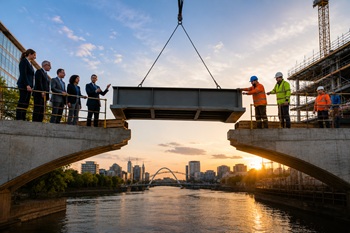
Concerns remain around contractor quality, capability, and delivery.
Construction Management, 10 June.
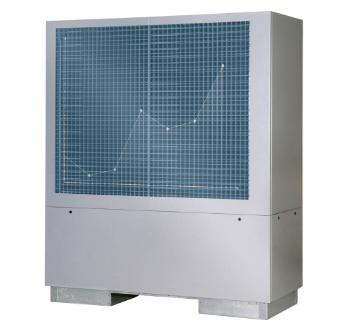
Heat pumps beat boilers in new home tests.
Building Safety Act implementation in Wales

CIAT to host industry panel on 26 June.
New and updated CLC building safety guidance.
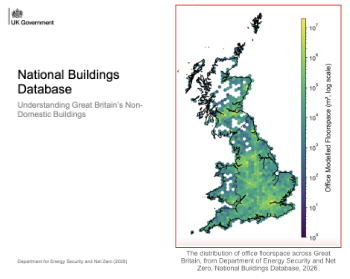
New UK National Buildings Database.
Building Safety Wiki Interviews

Chief executive of the British Woodworking Federation.
Planning condition discharge in England and Wales

A brief explanation from a building compliance expert, with further links.
Overheating guidance and tools for building designers

Guidance for dealing with element of building fabric control that have increasing importance.
Shading for housing, a design guide

From the Good Homes Alliance and British Blind and Shutter Association.
UK Standard Skills Classification (SSC)

A shared framework for describing skills needs.
Social media ban consultation comes to close

CIOB urges UK Government to consider social media’s role in careers guidance in ban debate.