





Dry construction market 2016-2024
Contents |
[edit] Introduction
Dry construction is a specialist method of interior construction that uses industrially prefabricated construction systems. This system consists of two basic construction elements; lining board and load-bearing construction, that together form a functional, static, unit. It does not require any additional drying time.
Plywood and gypsum board are used in dry constructions instead of concrete and bricks. This offers moisture resistance, reduction in construction time, fire safety, thermal and sound insulation, and ease of the installation.
[edit] Growth factors
The market for dry construction will show escalating growth in the near future. Rapid industrialisation, urbanisation, and the increasing adoption of lightweight and sustainable construction practices are the major factors driving this growth. However, the waste generated by dry construction and its high cost are restraining factors.
The global dry construction market is classified by application, material, type, and system.
- On the basis of application, the market is segmented into healthcare, residential, hospitality, non-residential, commercial, and others.
- The material segment is segregated into plastic, plaster wood, carpet, metals, glass, and wood.
- Based on the market is segmented into boarding and supporting framework.
- The system segment is divided into partitions, walls, flooring, door systems, ceilings, and windows.
[edit] Regional analysis
Asia Pacific is the leading region for dry construction due to rapid industrialisation, urbanisation, increasing population, income and rising spending power.
Dry construction is expanding in developing countries such as Indonesia, China, and India. China has the largest market share owing to new constructional projects and high population growth. North America and European regions are following the same trend.
[edit] Competitive players
The major market players in the global dry construction market include Panel Rey, Etex Group, Saint Gobain, Pabco Gypsum, Armstrong World Industries, Knauf, CSR Ltd., Xella Group, Fletcher Building, and USG Boral.
[edit] Related articles on Designing Buildings Wiki
Featured articles and news

A UK training and membership provider for mould remediation professionals.
Building Safety recap April, 2026

A short and longer run-through of the month, with links to further information and sources.

CIAT May 2026 briefing.

Independent NSI and BAFE study exploring how organisations are changing the way they buy fire safety services.

From medieval scribes to modern word art.

ECA welcomes crackdown on late payment and push for clean energy, whilst CIOB seek fixed cladding removal timeframes.
Cyber Security in the Built Environment

Protecting projects, data, and digital assets: A CIOB Academy TIS.
Managing competence in the built environment

ITFG publishes new industry guide on how to meet the ICC principles.
The UK's campaign to reduce noise pollution: Mythbusting, articles and topic guides.
Setting Expectations on Competence Management
Industry Competence Committee.
New Scottish and Welsh governments
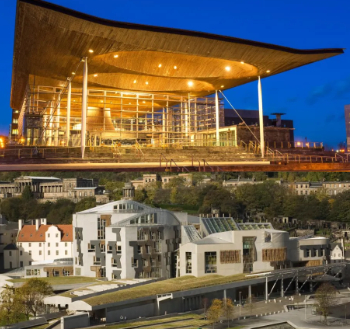
CIOB stresses importance of construction after new parliament elections.
The sad story of Derby Hippodrome
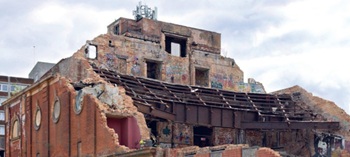
An historic building left to decay.

ECA, JIB and JTL back Fabian Society call to invest in skills for a stronger built environment workforce.

Women's Contributions to the Built Environment.
Calls for the delayed Circular Economy Strategy

Over 50 leading businesses, trade associations and professional bodies, including CIAT, and UKGBC sign open letter.
The future workforce: culture change and skill

Under the spotlight at UK Construction Week London.
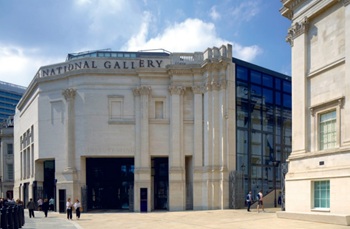
A landmark moment for postmodern heritage.
Comments
With the advancement in all sectors, the construction filed also has its own advancement. Dry construction is more popular among people and now a days, they are opting for eco-friendly house, which will increase demand for dry construction in future.