






Documents Required for Trademark Registration
Securing a trademark is the primary legal step to protect your brand identity from unauthorized use or infringement. To complete this process, you must submit a specific set of Trademark Registration Documents that verify your identity and your claim to the mark.
The Rule for Identity Verification of Individual Applicants
We require clear proof of identity for every individual or sole proprietor who files an application. The Trademark Registry must verify that the applicant is a legal person capable of holding intellectual property rights. You don’t need a complex corporate structure to apply, but you must provide government-issued identification.
To remain compliant, you must submit a clear copy of your PAN card. In addition to this, we accept an Aadhaar card, a valid passport, or a voter identity card to establish your permanent address. If the name on your application doesn’t match your legal documents, the registry will likely issue an objection.
Documentation Standards for Partnership and Corporate Entities
The law treats business entities differently based on their legal structure. Because a partnership or a company is a distinct legal entity, we must prove its existence through its founding documents. This ensures the trademark is registered to the correct owner, which is vital if you ever need to enforce your rights against third parties.
For partnership firms, you must provide the partnership deed and the firm’s PAN card. If you’re filing for a registered company or a Limited Liability Partnership, we require the Certificate of Incorporation. And you must also include a board resolution. This document is essential because it proves that the person signing the application has the legal authority to represent the company.
Filing Requirements for Specific Trademark Representations
A trademark isn’t just a name; it can be a logo, a shape, or a specific graphic. The registry maintains strict technical standards for how these marks are presented in the Trademark Registration Documents. If your filing doesn’t meet these graphical requirements, the application will be rejected during the initial formality check.
You must provide a high-resolution image of the logo in a JPEG format if you aren't filing a word mark. If the mark contains words in a language other than English or Hindi, the law requires you to submit a certified translation. This ensures the registrar can evaluate the mark for any prohibited content or similarity to existing marks.
Evidence of Use and Power of Attorney Mandates
Legal priority in trademark law often depends on who used the mark first. If you’re claiming that you used the mark before the filing date, you must prove it through a user affidavit. This is a sworn statement accompanied by physical evidence of the mark in commerce.
We require you to provide invoices, dated advertisements, or screenshots of your website that show the mark being used in relation to your goods or services. But if you’re hiring us to file on your behalf, you must also sign a Power of Attorney. This document gives us the legal standing to represent you before the Trademark Registry and handle all official correspondence.
Featured articles
Check out some of the best features and news from Designing Buildings as well as key stories from around the web.

A quick introduction.

CLC publishes Mental Health Joint Code of Practice.
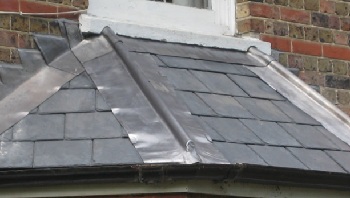
A quick introduction to its uses and risks.
Construction Management, 17 June

Government rolls out digital planning tool to all local authorities.

Your views needed - a strategy for the professions, trades and occupations.

Confronting competency, codes, capacity and costs.

The hidden risk in modern construction supply chains.
Construction Management, 10 June
24 months to 14: CITB launches accelerated apprenticeships.
Bridging the gap between clients and contractors

Concerns remain around contractor quality, capability, and delivery.
Construction Management, 10 June.
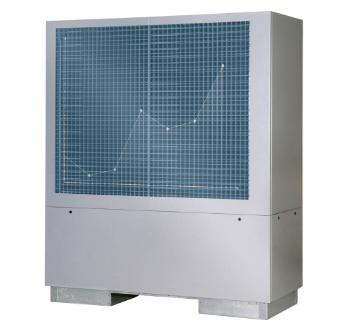
Heat pumps beat boilers in new home tests.
Building Safety Act implementation in Wales

CIAT to host industry panel on 26 June.