





Day rate
In the UK construction industry, the term "day rate" often refers to the daily compensation paid to a worker or contractor for their labour or services. This rate is agreed upon in advance and is typically used for short-term or project-specific work where the duration and scope of tasks can vary.
It is commonly used for freelance or contract-based work where the individual is hired for their skills and time on a day-to-day basis, often used for tasks that are expected to take a few days or weeks, rather than long-term employment, and typically applied to workers with specialised skills or trades, such as electricians, plumbers, or consultants. It offers a clear and straightforward method for costing labour, making it easier for project budgeting and financial planning.
Day rates provide flexibility for both the employer and the worker. Employers can hire skilled workers as needed without committing to long-term contracts, while workers can take on various projects with different employers. While day rates can incentivise productivity, it is also crucial to monitor the quality of work to ensure that the focus on completing tasks within a day does not compromise the project’s standards.
It is essential to have clear contract terms outlining the day rate, expected hours, payment schedule, and any provisions for overtime or additional expenses. The day rate is usually negotiated based on the worker’s skill level, experience, industry standards, and the nature of the work. It might also consider factors such as the project's location, complexity, and urgency. It typically assumes an 8-hour workday, but the exact number of hours can vary based on the agreement. Additional hours worked beyond the agreed-upon daily hours might be compensated at an overtime rate, which is also pre-negotiated.
Workers on day rates are often considered self-employed or contractors, and they must handle their own tax and National Insurance contributions. Employers should ensure compliance with relevant tax regulations and consider the implications of the IR35 legislation.
Day rates can vary significantly across different regions and sectors within the construction industry.
[edit] Related articles on Designing Buildings
Featured articles
Check out some of the best features and news from Designing Buildings as well as key stories from around the web.
Construction Management, 10 June

24 months to 14: CITB launches accelerated apprenticeships.
Bridging the gap between clients and contractors

Concerns remain around contractor quality, capability, and delivery.
Construction Management, 10 June.

Heat pumps beat boilers in new home tests.
Building Safety Act implementation in Wales

CIAT to host industry panel on 26 June.

New and updated CLC building safety guidance.
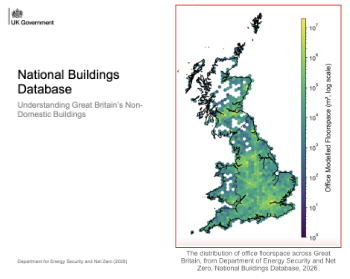
New UK National Buildings Database.
Building Safety Wiki Interviews

Chief executive of the British Woodworking Federation.
Planning condition discharge in England and Wales

A brief explanation from a building compliance expert, with further links.
Overheating guidance and tools for building designers

Guidance for dealing with element of building fabric control that have increasing importance.
Shading for housing, a design guide

From the Good Homes Alliance and British Blind and Shutter Association.
UK Standard Skills Classification (SSC)

A shared framework for describing skills needs.